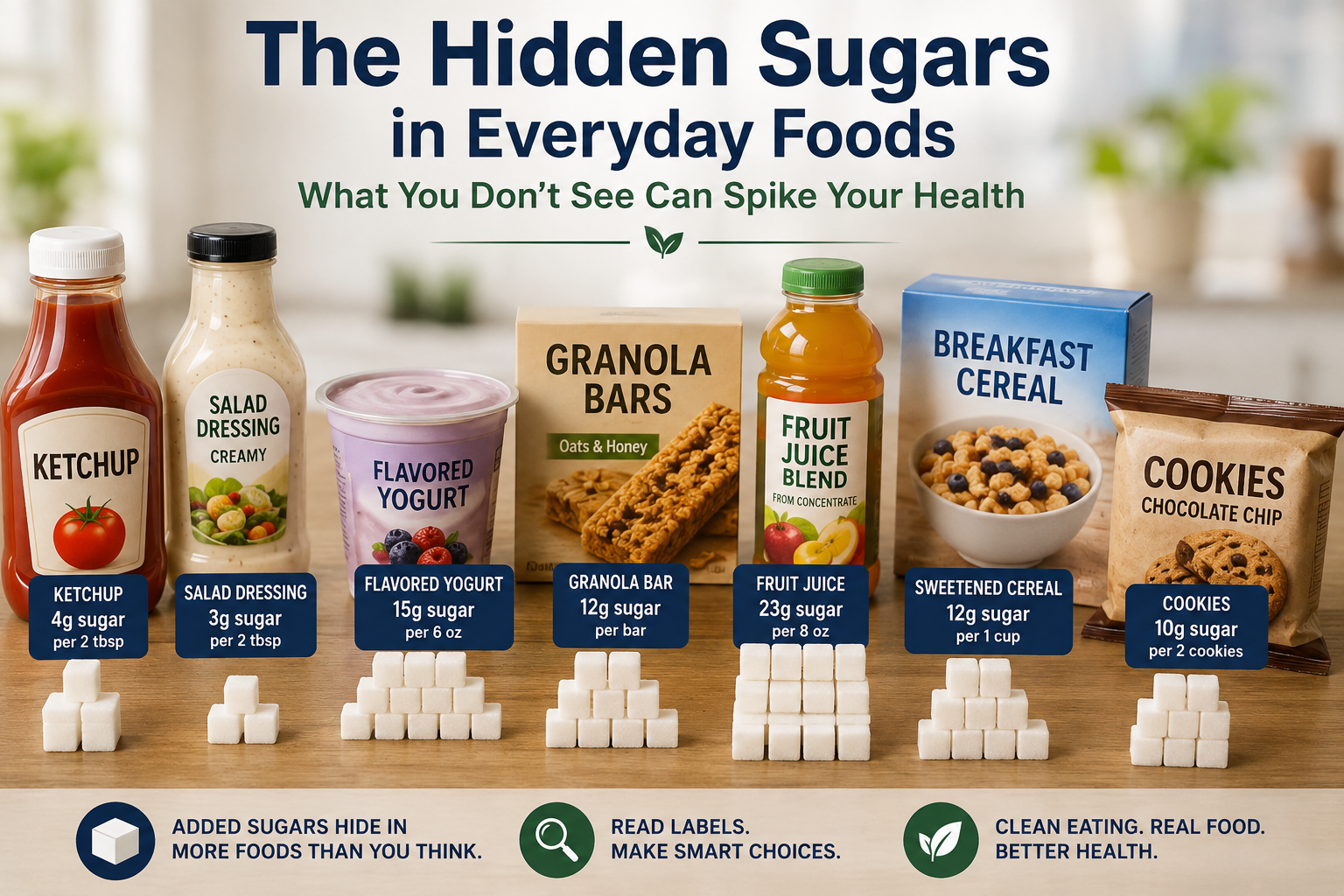
Hidden Added Sugars: How to Read Food Labels and Make Smarter Everyday Choices
When we think about cutting back on sugar, the obvious foods usually come to mind:
Soft drinks. Candy. Cookies. Cakes. Desserts.
But added sugars can also appear in foods we don't necessarily think of as sweet.
Salad dressings, sauces, flavored yogurt, breakfast cereals, granola bars, plant-based beverages, condiments, and other packaged foods can all contain added sweeteners.
That doesn't mean these foods are automatically unhealthy.
And it certainly doesn't mean we need to eliminate every gram of sugar from our diets.
The more useful skill is learning to distinguish between naturally occurring sugars and added sugars—and knowing how to recognize added sugars on a food label.
Natural Sugar and Added Sugar Are Not the Same Thing
Sugar occurs naturally in many nutritious foods.
Fruit contains naturally occurring sugars.
Milk contains lactose.
Plain yogurt contains naturally occurring milk sugars.
Vegetables can contain small amounts of naturally occurring sugars as well.
These foods also provide combinations of nutrients such as:
- Fiber
- Protein
- Vitamins
- Minerals
- Phytochemicals
- Water
Added sugars are different.
They are sugars and syrups incorporated into foods or beverages during manufacturing, preparation, or cooking.
Depending on the country and labeling system, terms such as added sugars and free sugars may be defined somewhat differently.
The important practical distinction is this:
Eating an apple is nutritionally different from drinking a beverage sweetened with an equivalent amount of sugar.
The whole apple comes packaged with fiber, water, micronutrients, and a physical food structure that influences how it is eaten and digested.
Why Manufacturers Add Sugar
Sweetness is one obvious reason.
But sugar can serve several functions in food manufacturing.
Depending on the product, sugars may contribute to:
- Flavor
- Browning
- Texture
- Moisture retention
- Fermentation
- Preservation
- Balancing acidity or bitterness
This is why added sugars can sometimes appear in savory foods.
The presence of sugar on an ingredient list does not automatically make a food unhealthy.
Amount, frequency, portion size, and the overall nutritional quality of the diet matter.
Four Places Added Sugars Can Hide
Rather than assuming a particular category is always high in sugar, compare products.
Formulations vary enormously between brands.
- Salad Dressings, Sauces, and Marinades
A salad dressing may taste tangy, salty, or savory while still containing added sugar.
Sweeteners may be used to balance vinegar, citrus, tomato, mustard, or other acidic and bitter ingredients.
Possible added sweeteners include:
- Sugar
- Cane sugar
- Glucose-fructose
- Honey
- Corn syrup
- Maple syrup
- Molasses
The amount can range from very little to considerably more depending on the product.
Instead of assuming all bottled dressing is unhealthy, compare nutrition labels.
You may find two similar products with very different sugar content.
- Flavored Yogurt and Milk Alternatives
Yogurt is a good example of why understanding labels matters.
Plain dairy yogurt naturally contains lactose, a milk sugar.
That naturally occurring sugar should not automatically be treated as equivalent to added table sugar.
Flavored yogurts, however, may also contain added:
- Sugar
- Fruit syrups
- Concentrates
- Honey
- Other sweeteners
The same principle applies to plant-based beverages.
Some are unsweetened.
Others contain substantial amounts of added sugar.
A Simple Strategy
Start with plain or unsweetened yogurt and add your own:
- Blueberries
- Strawberries
- Raspberries
- Banana
- Nuts
- Seeds
- Cinnamon
You control the sweetness while adding whole-food ingredients.
- Granola, Breakfast Cereals, and Snack Bars
The word "natural" on the front of a package tells you very little about its added-sugar content.
Granola and snack bars may contain sweeteners such as:
- Honey
- Brown rice syrup
- Agave
- Cane sugar
- Maple syrup
- Coconut sugar
- Glucose syrup
Some of these ingredients may sound more natural than ordinary sugar.
That doesn't mean they should be considered nutritionally unlimited.
Honey, maple syrup, agave, coconut sugar, and similar sweeteners can differ somewhat in composition, flavor, and micronutrient content, but they still contribute sugars and calories.
Again, the solution isn't to fear granola.
Read the label and compare products.
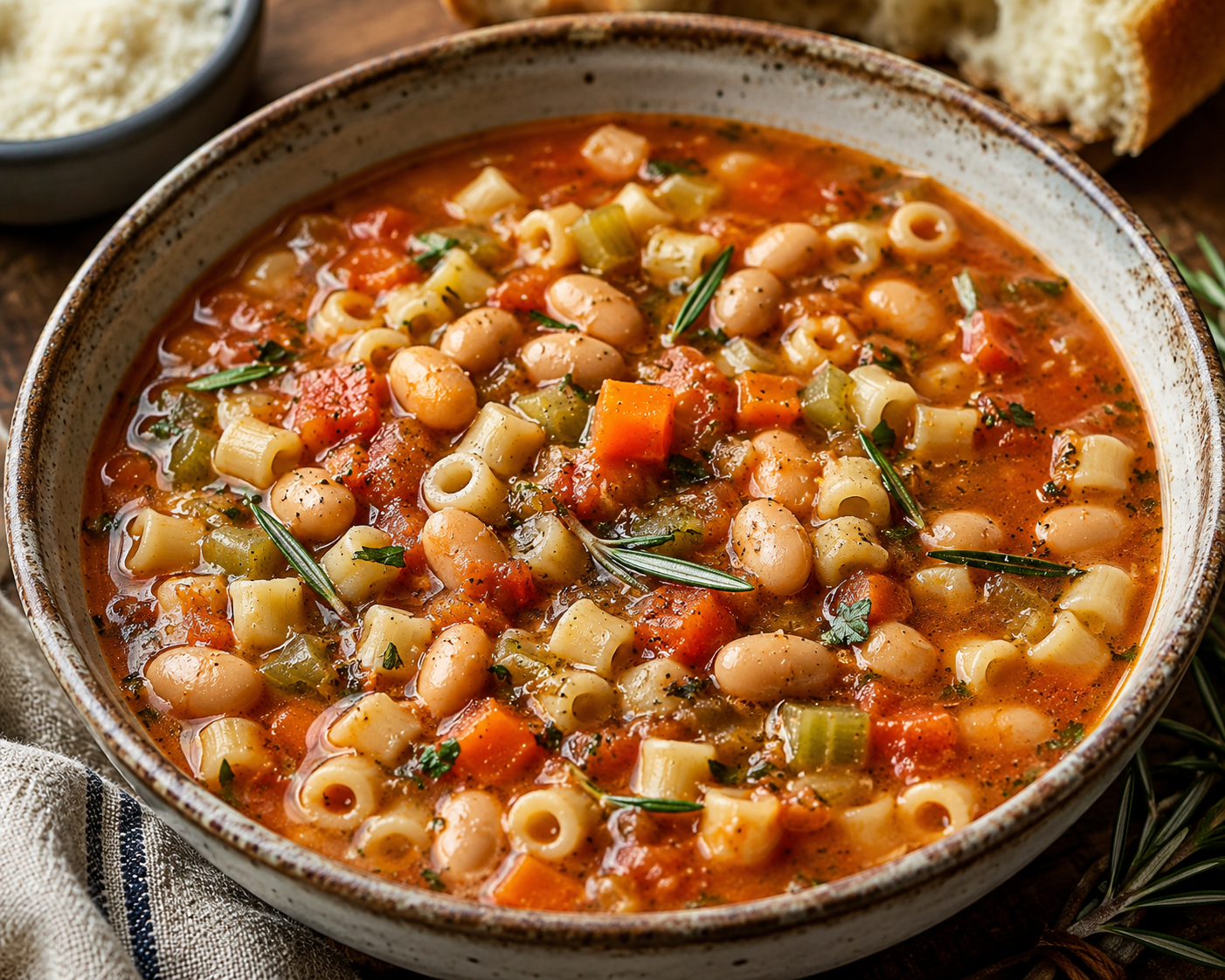
- Tomato Sauces, Soups, and Condiments
Tomatoes naturally contain sugar.
But some commercially prepared tomato sauces, soups, ketchup, barbecue sauces, and other condiments also contain added sweeteners.
Other products contain little or none.
Rather than assuming that all pasta sauce is loaded with sugar, turn the jar around and look.
You may be pleasantly surprised.
How to Spot Added Sugars on an Ingredient List
One of the easiest ways to become a more informed shopper is to read the ingredient list.
Ingredients are generally listed in descending order by weight.
Added sugars can appear under many different names.
Common Sugar and Syrup Ingredients
Look for terms such as:
- Sugar
- Cane sugar
- Brown sugar
- Corn syrup
- High-fructose corn syrup
- Glucose syrup
- Brown rice syrup
- Malt syrup
- Tapioca syrup
- Maple syrup
Words Ending in "-ose"
Some sugars have names ending in -ose, including:
- Glucose
- Fructose
- Sucrose
- Dextrose
- Maltose
However, don't rely exclusively on the "-ose" trick.
Many added sweeteners don't follow that naming pattern.
"Natural" Sweeteners Still Count
Marketing language can make certain sweeteners sound fundamentally different from sugar.
Examples include:
- Honey
- Agave nectar
- Maple syrup
- Coconut sugar
- Molasses
These ingredients can certainly be enjoyed.
But natural does not mean sugar-free.
A useful approach is to appreciate these ingredients for their flavor rather than assuming they provide unlimited health benefits because they sound less processed.
Don't Forget the Nutrition Facts Table
The ingredient list tells you what is in the food.
The Nutrition Facts table helps tell you how much you are consuming.
Pay attention to:
- Serving size
- Total sugars
- Added sugars, where separately identified
- Fiber
- Protein
- Overall nutrient profile
Labeling rules differ between Canada, the United States, and other countries, so the exact presentation of sugars can vary.
This is particularly important for WonderfulLife readers in Canada.
Canadian labels group sugar-based ingredients in the ingredient list and provide total sugars in the Nutrition Facts table, while U.S. labels separately declare Added Sugars.
Understanding the label used where you live is more useful than memorizing a long list of supposedly dangerous ingredients.
Don't Be Fooled by Serving Size
Suppose a beverage contains 8 grams of sugar per serving.
That number may look relatively small.
But if the bottle contains two servings and you drink the entire bottle, you consume twice that amount.
Always ask:
How much of this food or beverage am I actually going to consume?
Serving size provides context.
Four Easy Lower-Sugar Swaps
Reducing added sugar doesn't have to mean giving up sweetness.
A few simple changes can make a meaningful difference.
- Make a Simple Salad Dressing
Try combining:
Extra virgin olive oil + lemon juice or vinegar + garlic + herbs + pepper
You can adjust every ingredient to your taste.
If you enjoy a touch of honey or maple syrup in the dressing, that's fine too.
The objective isn't zero sugar.
It's intentional use.
- Build Your Own Yogurt Bowl
Start with plain Greek yogurt or another unsweetened yogurt you enjoy.
Add:
- Fresh berries
- Chia seeds
- Walnuts
- Cinnamon
- A small amount of honey if desired
You get sweetness, texture, fiber, and greater control over the final product.
- Compare Tomato Sauces
You don't necessarily need to make tomato sauce from scratch.
Compare several jars.
Look at the ingredient lists and Nutrition Facts panels.
Choose one with:
- Tomatoes high on the ingredient list
- Ingredients you recognize
- An amount of sugar that fits your preferences
Or make a simple sauce from crushed tomatoes, olive oil, garlic, basil, and herbs.
- Rethink Sweetened Drinks
For many people, beverages are one of the easiest places to reduce added sugar.
Instead of sweetened iced tea, soft drinks, or heavily sweetened flavored beverages, try:
- Water
- Sparkling water
- Unsweetened tea
- Water with lemon or lime
- Mint-infused water
- Cucumber water
- Coffee or tea with less added sugar
You don't have to make the change overnight.
Even gradually reducing sweetness can help your palate adjust.
What About Fruit Juice?
Fruit juice deserves some nuance.
100% fruit juice can provide vitamins and other nutrients, but juicing removes much of the physical structure and fiber found in whole fruit.
It is also easier to consume a large amount quickly.
For everyday eating, whole fruit is generally a more satisfying choice.
That doesn't make a glass of orange juice "bad."
It simply means whole fruit and fruit juice are not nutritionally identical.
Sugar Isn't a Toxin
This point matters.
Sugar is sometimes portrayed online as a poison that must be completely eliminated.
That isn't a useful way to think about nutrition.
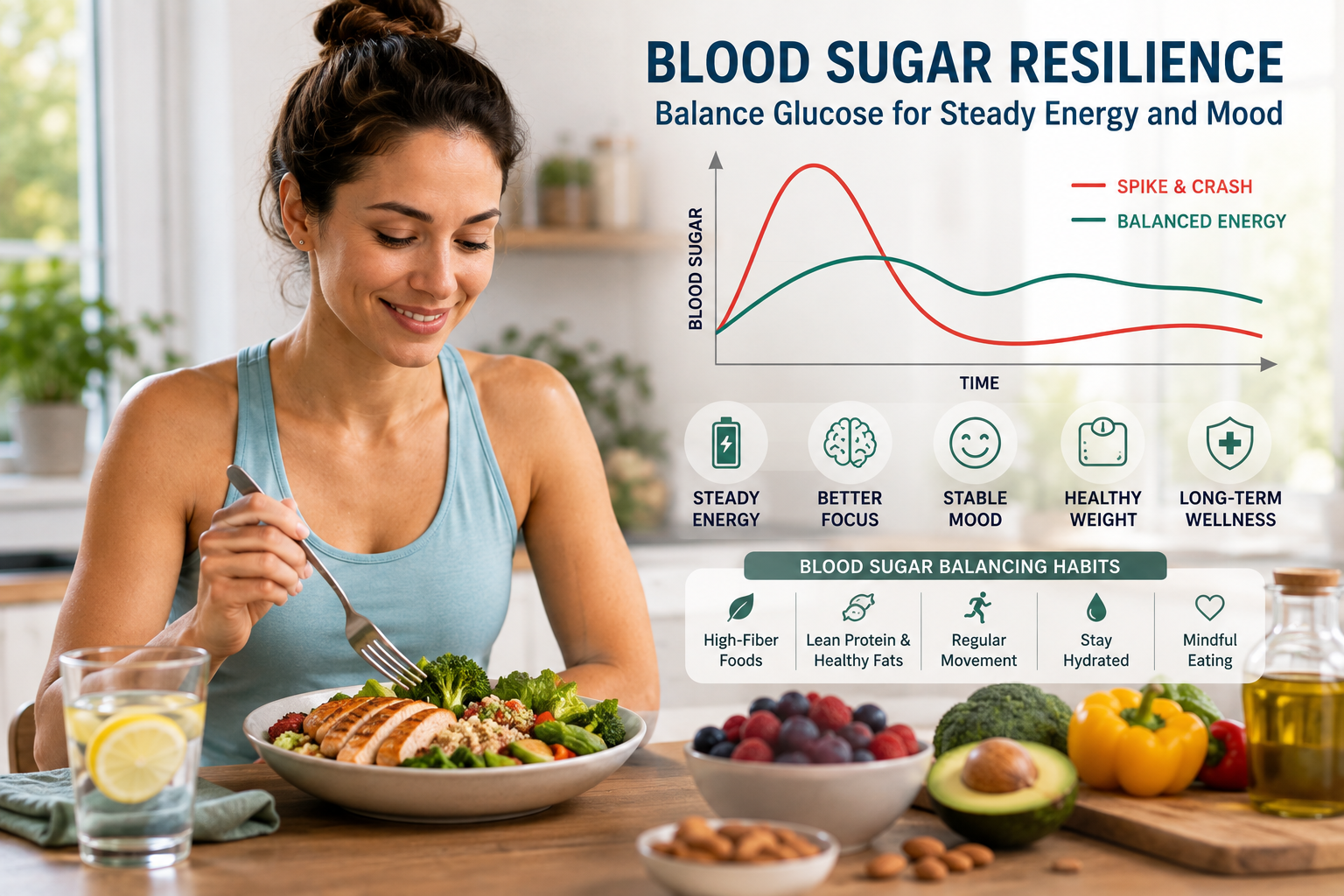
Glucose is an important biological fuel, and carbohydrates are found naturally in many highly nutritious foods.
The concern is primarily about dietary patterns in which large amounts of added or free sugars—particularly from nutrient-poor foods and sugar-sweetened beverages—displace more nutritious choices or contribute excess energy intake.
The goal is not:
Zero sugar.
A much healthier goal is:
Less unnecessary added sugar and more nutrient-dense whole foods.
Don't Judge a Food by One Number
A nutrition label should be read as a whole.
Imagine two foods both containing 8 grams of sugar.
One might also provide:
- Protein
- Fiber
- Calcium
- Vitamins
- Minerals
The other might provide little besides refined carbohydrate and calories.
The sugar number alone doesn't tell you everything you need to know.
Good nutrition requires context.
A Better Grocery-Store Habit
You don't need to spend 20 minutes analyzing every package.
When buying a food you eat regularly, take a few seconds to compare two or three options.
Ask:
How much sugar does it contain?
Is sugar one of the major ingredients?
How much fiber and protein does it provide?
What is the serving size?
How does this food fit into the rest of my diet?
Over time, label reading becomes almost automatic.
The WonderfulLife Bottom Line
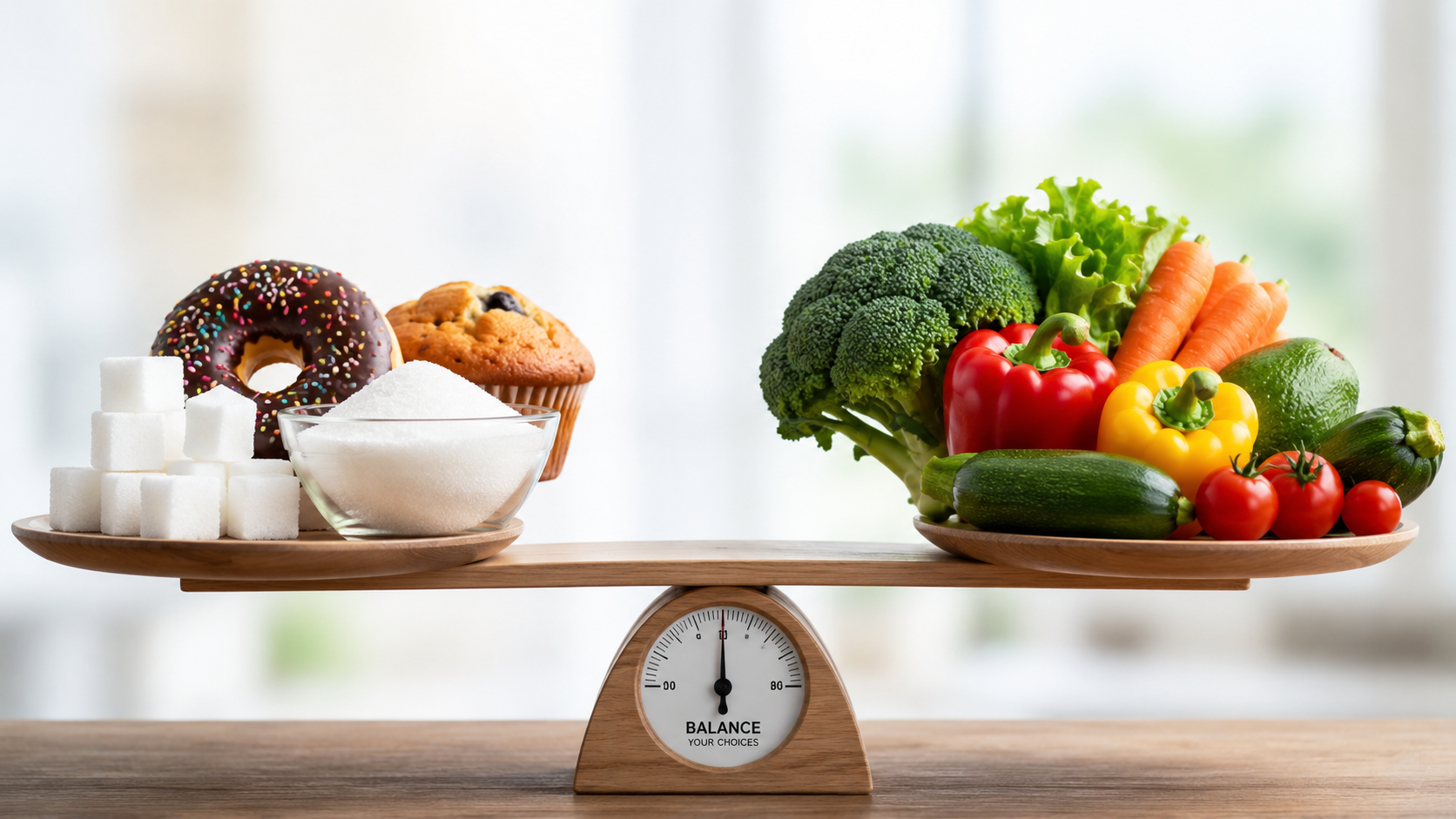
You don't need to become afraid of sugar.
And you certainly don't need to eliminate fruit, yogurt, or every food containing a gram of sweetness.
Instead, become an informed shopper.
Know the difference between natural and added sugars. Read ingredient lists. Check serving sizes. Compare similar products. Choose unsweetened versions when they make sense. Enjoy sweets intentionally rather than accidentally.
The occasional dessert isn't the problem.
In fact, if you're going to enjoy sugar, enjoying a wonderful dessert may be far more satisfying than unknowingly consuming added sugars scattered throughout foods you didn't even expect to be sweet.
Less fear. More awareness. Better choices.
That's a much more sustainable approach to sugar.
Scientific References & Sources
- U.S. Department of Agriculture & U.S. Department of Health and Human Services. (2020). Dietary Guidelines for Americans, 2020–2025. 9th Edition.
- American Heart Association. Added Sugars: Guidance on identifying and limiting added sugars in foods and beverages.
- Malik, V. S., & Hu, F. B. (2022). The role of sugar-sweetened beverages in the global epidemics of obesity and chronic diseases. Nature Reviews Endocrinology, 18(4), 205–218.
- World Health Organization. (2015). Guideline: Sugars Intake for Adults and Children. Geneva: World Health Organization.
Medical & Nutritional Disclaimer
The information provided on WonderfulLife.ca is for educational, informational, and general wellness purposes only and is not intended as medical advice, diagnosis, or treatment.
Individual nutritional needs vary according to age, activity level, medical conditions, medications, pregnancy, metabolic health, and other factors.
People living with diabetes or other conditions requiring carbohydrate management should follow individualized advice from their physician, Registered Dietitian, diabetes educator, or other qualified healthcare professional.
Do not make significant dietary changes based solely on information contained in this article if you have a medical condition requiring specialized nutrition care.
Never disregard professional medical advice or delay seeking care because of information you have read on this website.
Credits
Author: WonderfulLife Editorial Team Editorial Assistance: Gemini Published For: WonderfulLife.ca








WonderfulLife Community
Join the Conversation