
By WonderfulLife Health Team
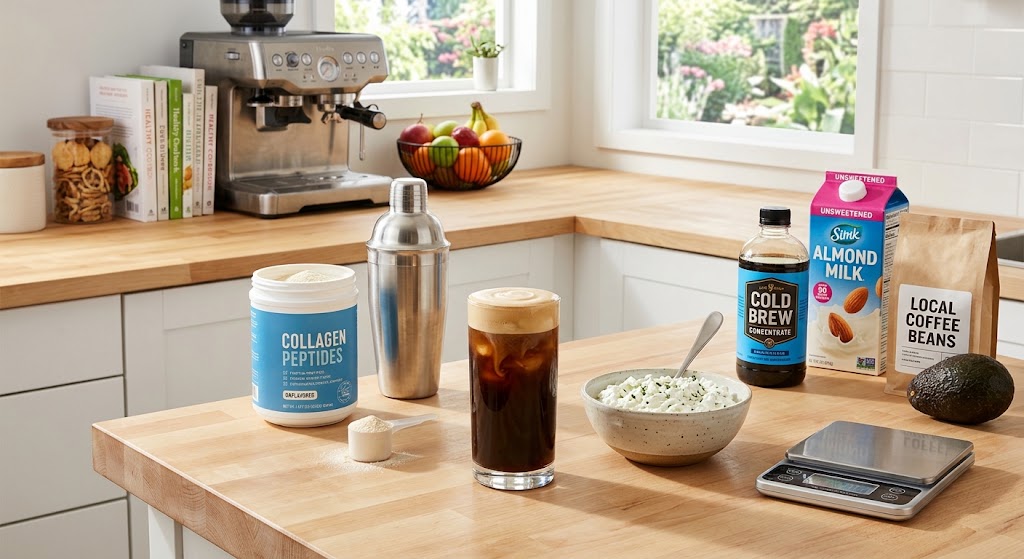
The intersection of daily culinary habits and functional nutrition has sparked a major digital movement: the rise of "proffee" (protein coffee) and culinary protein hacking. What began on social platforms as fitness creators pouring premade protein shakes over iced espresso has matured into a broader kitchen philosophy. Everyday meals and beverages are being re-engineered to deliver sustained protein intake and support balanced vitality throughout the day.
The Nutritional Science Behind the Trend
At the heart of the protein hacking movement is the metabolic rationale for balanced macronutrient distribution. Standard morning routines are often heavily weighted toward refined carbohydrates or sweetened coffee drinks, leaving protein back-loaded toward the evening meal.
Scientific research demonstrates that our bodies optimize muscle preservation and tissue repair when protein intake is distributed evenly across daily meals. Clinical findings indicate that consuming approximately 20 to 30 grams of high-quality protein per meal triggers muscle protein synthesis. By combining espresso or cold brew with a clean protein source in the morning, you reach this threshold early in the day, supporting physical vitality and active aging.
Beyond muscle maintenance, dietary protein plays a direct role in everyday satiety and balanced energy:
Higher Thermic Effect: Digesting dietary protein requires more metabolic energy compared to simple carbohydrates and fats, helping maintain a steady metabolic rate.
Appetite Regulation: Dietary protein supports the release of natural satiety peptides while gently suppressing hunger hormones, reducing impulsive snacking.
Blood Sugar Stability: Pairing caffeine with high-quality protein helps blunt the rapid glucose spikes and subsequent mid-morning energy crashes often caused by traditional sugary lattes.
Bringing Protein Hacking into Your Kitchen
The culinary utility of protein hacking goes well beyond the coffee mug. Health-conscious home cooks are incorporating simple, whole-food protein upgrades into everyday cooking:
Whipped Cottage Cheese: Blended cottage cheese creates a smooth, velvety base that easily replaces heavy cream or mayonnaise in savory dressings, baked goods, and savory bowls.
Greek Yogurt Foundations: Rich in casein protein and beneficial cultures, strained plain Greek yogurt works seamlessly into morning marinades, doughs, and dips.
Fortified Morning Batters: Adding unflavored plant-based or whey protein powders, collagen peptides, or chickpea flour into morning pancake and waffle batters delivers balanced energy with every bite.
Focusing on Nutritional Diversity
While functional protein hacks offer a convenient way to meet daily wellness goals, balance remains essential. Supplemental proteins should always complement, rather than replace, a diverse foundation of fiber-rich plant foods, complex carbohydrates, and beneficial dietary fats. When integrated thoughtfully, proffee and whole-food culinary protein hacks offer an approachable, delicious way to fuel steady energy and support lifelong vitality.
References
Mamerow, M. M., et al. (2014). Dietary Protein Distribution Positively Influences 24-Hour Muscle Protein Synthesis in Healthy Adults. The Journal of Nutrition, 144(6), 876–880.
Halton, T. L., & Hu, F. B. (2004). The Effects of High Protein Diets on Thermogenesis, Satiety and Weight Loss: A Critical Review. Journal of the American College of Nutrition, 23(5), 373–385.
Westerterp, K. R. (2004). Diet Induced Thermogenesis. Nutrition & Metabolism, 1(1), 5.
Phillips, S. M. (2014). A Brief Review of Higher Dietary Protein Diets in Weight Loss: A Focus on Athletes. Sports Medicine, 44(Suppl 2), S149–S153.
Disclaimer: This article is for informational purposes only and is not intended to provide medical advice, diagnosis, or treatment. Always consult with a qualified healthcare professional before significantly altering your diet or nutritional routine.










WonderfulLife Community
Join the Conversation