
Healthy Aging: Protecting Muscle, Bone, and Everyday Strength
As the years go by, our physiological needs naturally change.
Healthy aging is often discussed in terms of cardiovascular health, cognition, or skin care, but one of the most important factors in maintaining long-term independence is preserving muscle mass, strength, mobility, and bone health.
These systems work together.
Strong muscles support balance and movement. Healthy bones provide structural stability. Adequate nutrition helps supply the energy and raw materials required for repair, adaptation, and daily function.
Starting in adulthood, muscle mass and strength can gradually decline with age. This age-related loss is often referred to as sarcopenia when it becomes clinically significant.
The rate of decline varies considerably between individuals and is strongly influenced by:
- Physical activity
- Protein intake
- Overall diet quality
- Hormonal and metabolic health
- Illness
- Sleep
- Medications
- Genetics
The encouraging news is that loss of strength is not simply an unavoidable consequence of getting older.
Regular resistance exercise, adequate nutrition, and healthy lifestyle habits can help preserve muscle function and physical independence well into later life.
Three Essential Pillars of Longevity Nutrition
A practical healthy-aging strategy should support both muscle and bone while also promoting overall metabolic health.
Three areas deserve particular attention.
- Prioritize Protein Across the Day
Protein provides amino acids that the body uses to maintain and repair muscle tissue.
As people age, muscle protein synthesis can become less responsive to smaller protein doses—a phenomenon often described as anabolic resistance.
For that reason, older adults may benefit from paying attention not only to total daily protein intake, but also to how protein is distributed across meals.
Rather than consuming very little protein at breakfast and lunch and most of it at dinner, it can be useful to include a meaningful protein source at each major meal.
A practical target for many adults may be roughly 25–30 grams of high-quality protein per meal, but individual needs can vary based on body size, age, activity level, health status, and total daily intake.
Quality Protein Sources
Examples include:
- Eggs
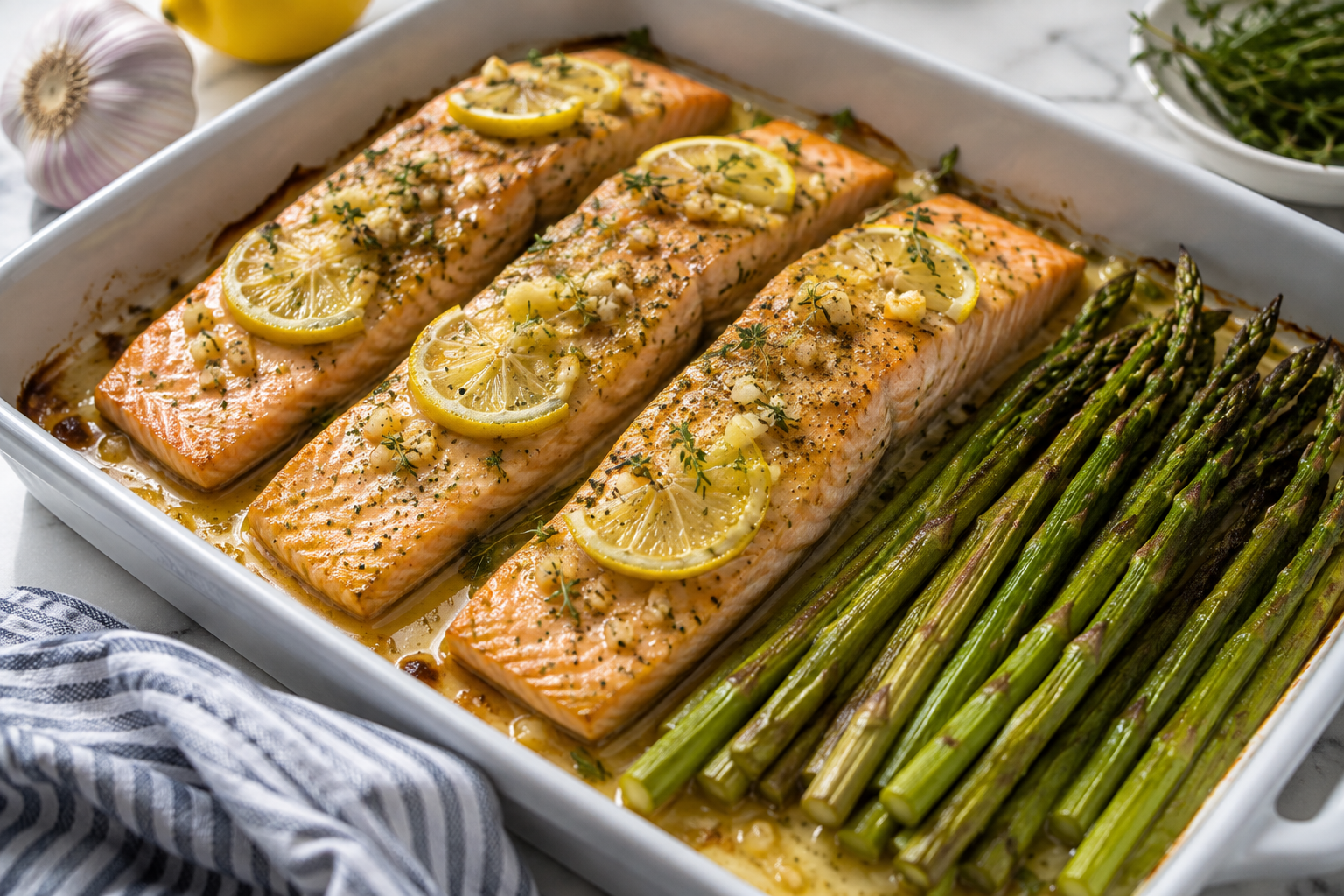
- Fish
- Poultry
- Greek yogurt
- Cottage cheese
- Tofu
- Tempeh
- Lentils
- Beans
- Soy foods
- Whey or plant-based protein powders when useful
The goal is not to chase an exact number at every meal.
It is to create a consistent pattern that gives your body enough amino acids throughout the day.
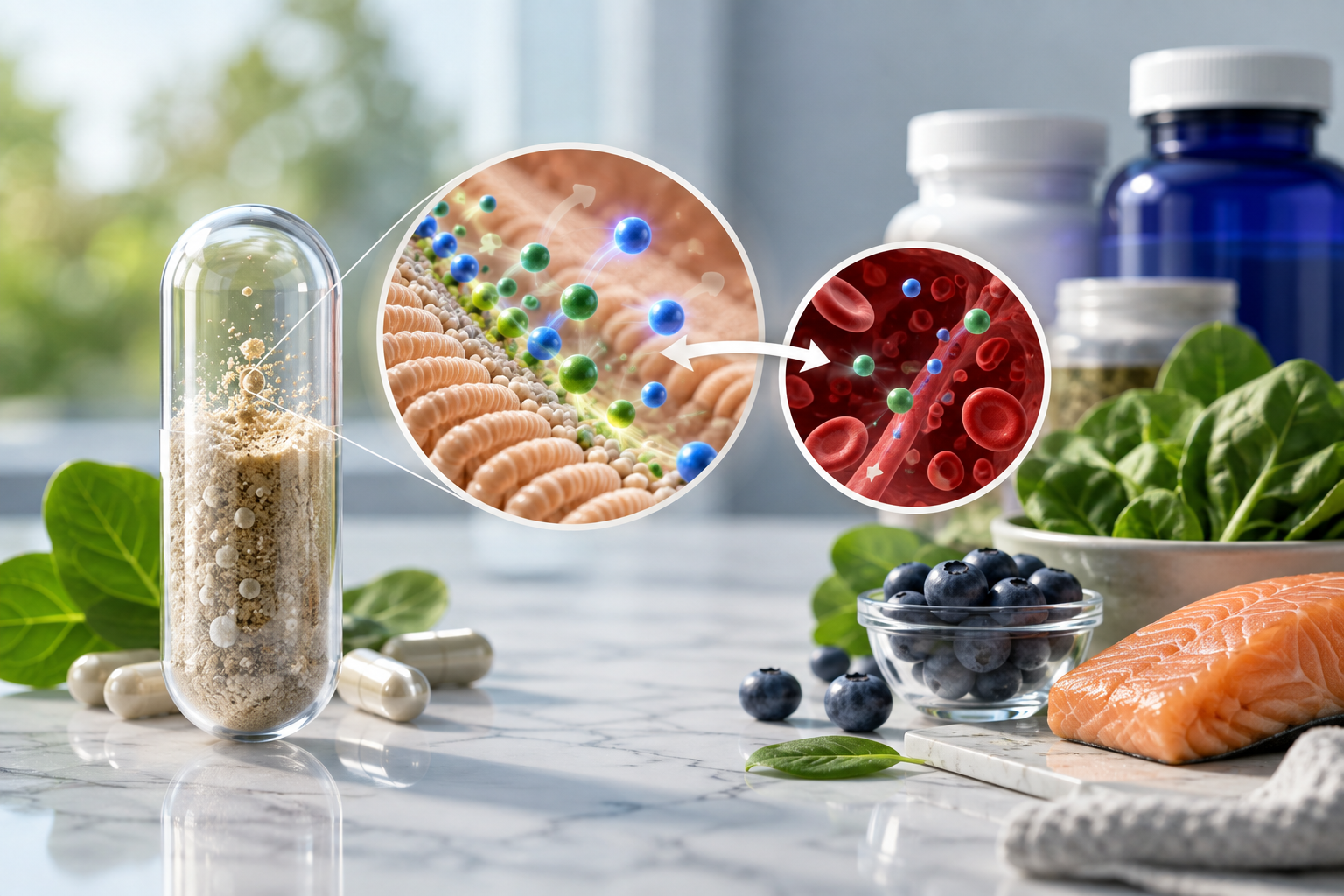
- Support Bone Health With More Than Calcium Alone
Bone health depends on a network of nutrients and lifestyle factors.
Calcium is essential because it contributes directly to bone mineral structure, but it does not work in isolation.
Vitamin D
Vitamin D helps regulate calcium absorption and plays an important role in bone metabolism.
Low vitamin D status can contribute to impaired bone health, particularly in older adults.
Sources include:
- Fortified foods
- Egg yolks
- Fatty fish
- Appropriate sun exposure
- Supplements when recommended
Vitamin K
Vitamin K contributes to the activation of proteins involved in normal bone metabolism and blood clotting.
Vitamin K exists in several forms, including K1 and K
Research into vitamin K2 and cardiovascular or bone outcomes is ongoing, so it is better to avoid the simplified claim that K2 merely “directs calcium into bones and away from arteries.”
The biology is more complex than that.
Other Important Bone Nutrients
Bone health is also influenced by:
- Protein
- Magnesium
- Phosphorus
- Vitamin C
- Zinc
- Overall calorie adequacy
Nutrition matters, but so does mechanical loading.
Weight-bearing and resistance exercise provide one of the strongest lifestyle signals for maintaining bone strength.
- Support Recovery With Healthy Fats and Plant-Rich Foods
Aging well also involves maintaining a dietary pattern that supports normal inflammatory balance, cardiovascular health, and recovery from activity.
Foods rich in unsaturated fats, omega-3 fatty acids, and plant compounds can contribute to that goal.
Good choices include:
- Extra virgin olive oil
- Fatty fish
- Walnuts
- Chia seeds
- Flaxseed
- Berries
- Leafy green vegetables
- Colorful vegetables
- Herbs and spices
- Green tea
Omega-3 fatty acids are especially well studied for cardiovascular health and are also being investigated for their possible role in muscle function and healthy aging.
However, no single food or antioxidant can “stop cellular aging.”
The benefit comes from the overall dietary pattern.
The Importance of Resistance Exercise
Nutrition and movement work together.
Protein alone cannot preserve muscle effectively without a reason for the body to maintain that muscle.
Resistance exercise provides that signal.
Examples include:
- Weight training
- Resistance bands
- Bodyweight exercises
- Carrying groceries
- Climbing stairs
- Gardening
- Functional strength exercises
Even modest strength training performed consistently can improve strength, balance, and physical capability.
For older adults, the goal is not necessarily to train like an athlete.
It is to regularly challenge the muscles enough to maintain function.
Simple Daily Habits for Staying Strong
Healthy aging does not require complicated routines.
A few consistent habits can make a meaningful difference.
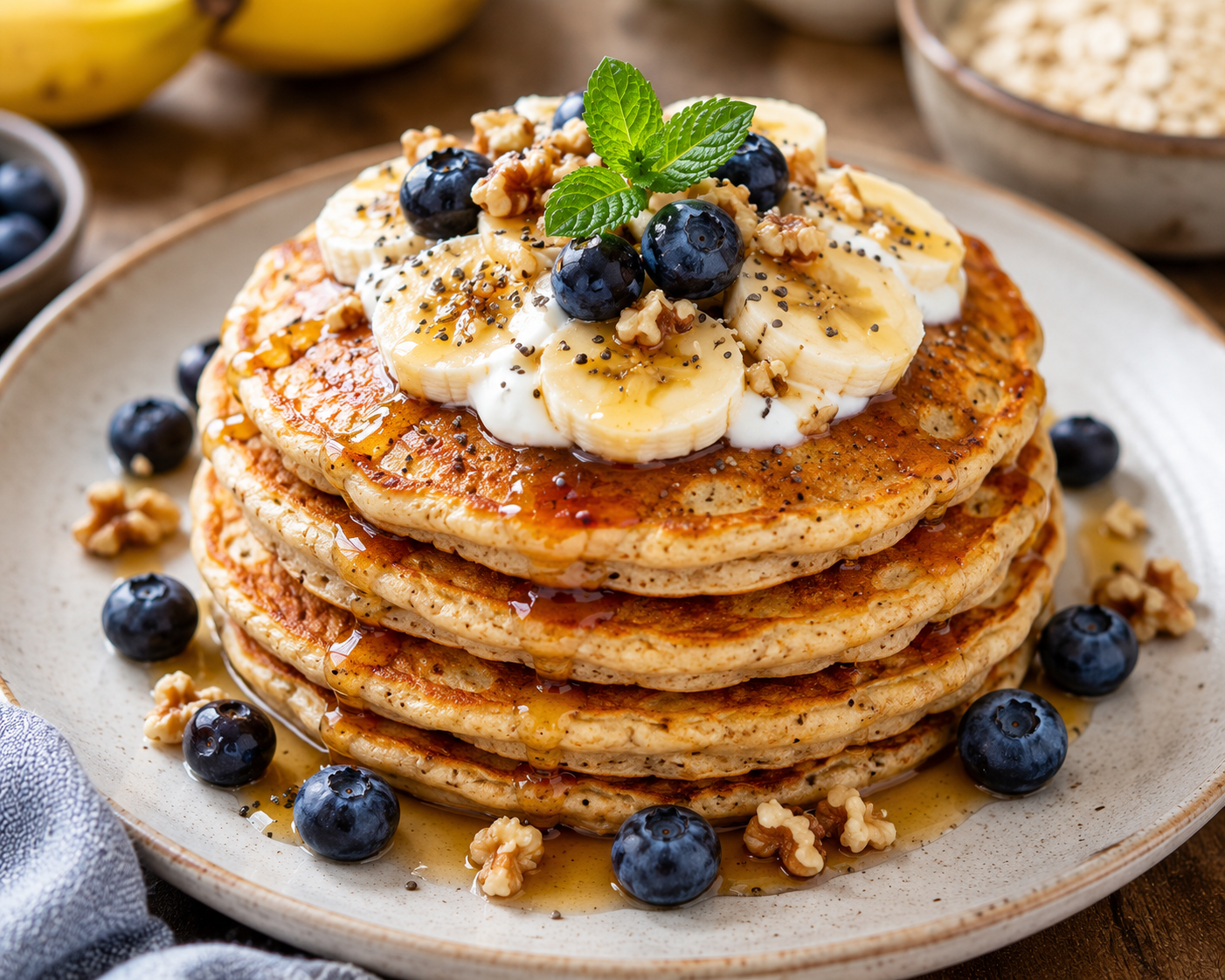
Upgrade Breakfast
Many breakfasts are relatively low in protein.
Instead of relying only on toast, cereal, or pastries, consider options such as:
- Eggs with vegetables
- Greek yogurt with berries and nuts
- Oatmeal with yogurt, milk, or protein powder
- Tofu scramble
- Cottage cheese with fruit
- Smoothies containing a meaningful protein source
Build Movement Into Everyday Life
Structured exercise is valuable, but daily movement also matters.
Walking, climbing stairs, gardening, carrying groceries, and getting up regularly from prolonged sitting all help maintain function.
The best program is one you can sustain.
Stay Hydrated
Older adults may sometimes experience reduced thirst sensation.
Regular fluid intake can support normal circulation, temperature regulation, digestion, and physical performance.
Hydration needs vary with climate, activity, medications, and health status.
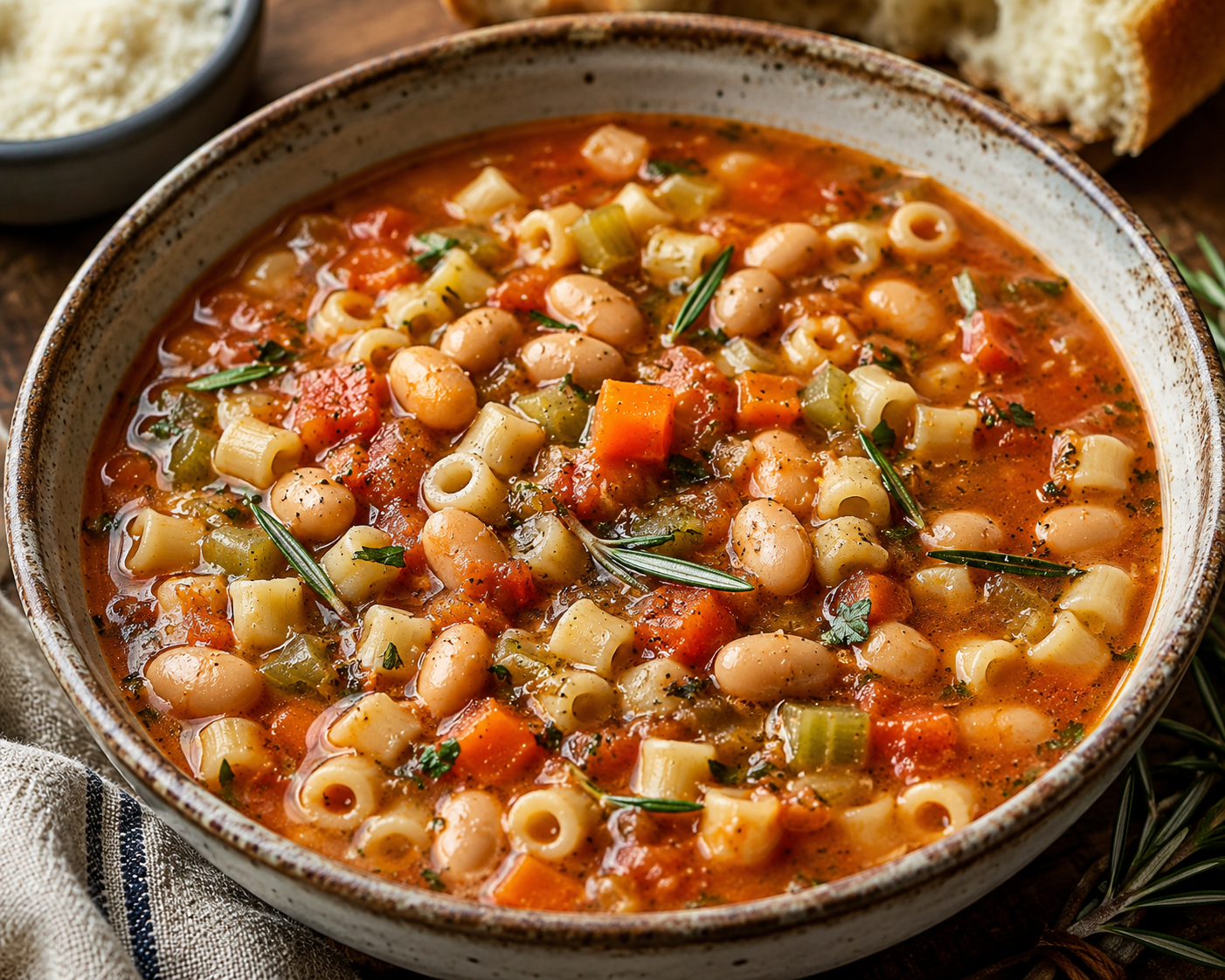
Water, soups, milk, herbal teas, fruits, and vegetables can all contribute to daily fluid intake.
Don’t Forget Balance and Mobility
Strength is only part of healthy aging.
Mobility, coordination, and balance are also important for reducing fall risk and maintaining independence.
Activities that can help include:
- Tai chi
- Yoga
- Walking
- Balance exercises
- Strength training
- Mobility drills
A well-rounded program supports more than muscle size.
It supports confidence in everyday movement.
The WonderfulLife Bottom Line
Aging well is not about stopping time.
It is about preserving the physical capacity to keep doing the things that matter to you.
The strongest foundations are remarkably simple:
Eat enough high-quality protein. Support bone health with a balanced diet. Strength-train regularly. Stay physically active. Choose healthy fats and plant-rich foods. Hydrate appropriately. Protect sleep and recovery.
Small habits practiced consistently can have a larger impact than dramatic short-term programs.
The goal is not simply to live longer.
It is to preserve strength, mobility, confidence, and independence for as many of those years as possible.
Scientific References & Sources
- Bauer, J., et al. (2013). Evidence-based recommendations for optimal dietary protein intake in older people: A position paper from the PROT-AGE Study Group. Journal of the American Medical Directors Association, 14(8), 542–559.
- Morton, R. W., et al. (2018). A systematic review, meta-analysis and meta-regression of the effect of protein supplementation on resistance training-induced gains in muscle mass and strength in healthy adults. British Journal of Sports Medicine, 52(6), 376–384.
- van Ballegooijen, A. J., et al. (2017). The synergistic interplay between vitamins D and K for bone and cardiovascular health. International Journal of Endocrinology, 2017, 7454376.
Medical & Nutritional Disclaimer
The information provided on WonderfulLife.ca is for educational, informational, and general wellness purposes only and is not intended as medical advice, diagnosis, or treatment.
Protein, vitamin D, calcium, vitamin K, and exercise needs can vary between individuals, especially in people with kidney disease, osteoporosis, cardiovascular disease, digestive conditions, or those taking certain medications.
Always seek advice from a physician, Registered Dietitian, physiotherapist, or other qualified healthcare professional before making significant changes to your diet, supplement routine, or exercise program.
Never disregard professional medical advice or delay seeking care because of information you have read on this website.
Credits
Author: WonderfulLife Editorial Team Editorial Assistance: Gemini Published For: WonderfulLife.ca






WonderfulLife Community
Join the Conversation