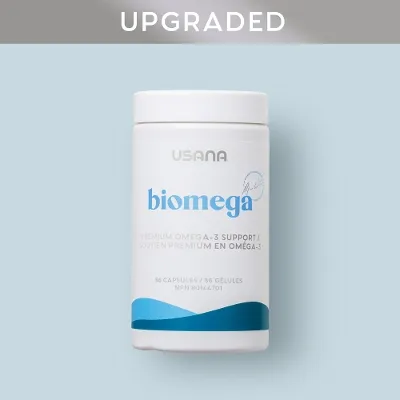
USANA® Bi
Omega™ Review: Omega-3 Content, Quality, and What the Science Supports
Omega-3 fatty acids are among the most extensively studied nutrients in human nutrition.
Two long-chain omega-3 fatty acids receive particular attention:
- EPA — eicosapentaenoic acid
- DHA — docosahexaenoic acid
These fatty acids become incorporated into cell membranes and participate in cardiovascular physiology, neurological structure, inflammatory signaling, and numerous other biological processes.
For people who regularly eat fatty fish, supplementation may not always be necessary.
But many people consume little seafood, which is one reason concentrated omega-3 supplements remain popular.
At WonderfulLife, we believe the right way to evaluate a fish-oil supplement is to ask:
How much EPA and DHA does it actually provide? How is it manufactured? Is quality independently verified? And what health claims are actually supported by evidence?
In this review, we examine USANA® BiOmega™.
What Is USANA® BiOmega™?
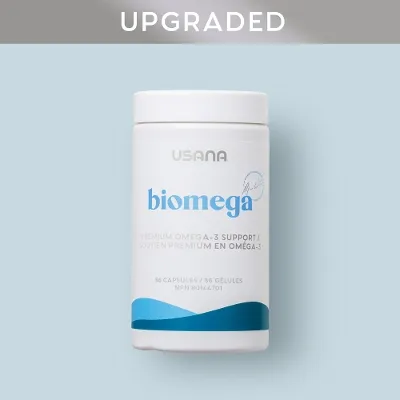
BiOmega is USANA's concentrated marine omega-3 supplement.
Current U.S. product information lists a daily serving of two capsules providing:
- 2,000 mg fish oil concentrate
- 1,200 mg total omega-3 fatty acids
- 580 mg EPA
- 470 mg DHA
- 5 µg (200 IU) vitamin D3
The formula also includes lemon oil and mixed natural tocopherols.
Because formulations and labeling can vary by country, WonderfulLife recommends checking the current Canadian BiOmega label before publishing exact Canadian nutrient amounts or dosage instructions.
EPA and DHA: What's the Difference?
EPA and DHA belong to the same omega-3 family, but their physiological roles are not identical.
EPA
EPA participates extensively in lipid-derived signaling pathways.
It has been studied particularly in relation to:
- Triglyceride metabolism
- Cardiovascular physiology
- Inflammatory signaling
- Specialized pro-resolving mediators
DHA
DHA is highly concentrated in the nervous system and retina.
It is an important structural fatty acid in neuronal and retinal membranes and is especially important during fetal and infant development.
The body can obtain some EPA and DHA indirectly from the plant omega-3 fatty acid ALA, but conversion is limited.
This is why fatty fish, algae-derived omega-3s, and fish-oil supplements can provide more direct sources.
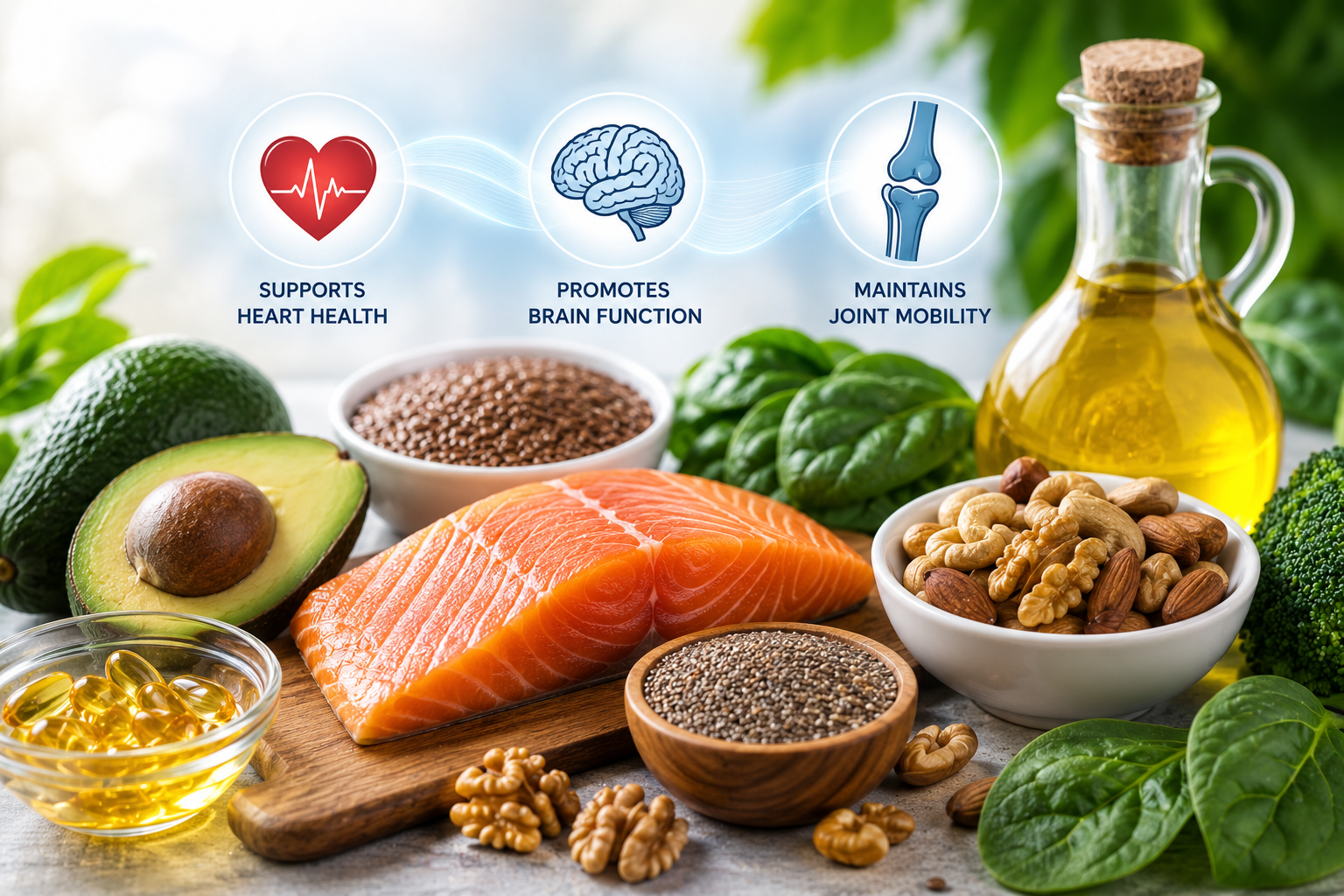
- Cardiovascular Health
Cardiovascular research represents one of the strongest areas of evidence for long-chain omega-3 fatty acids.
Triglycerides
EPA and DHA can reduce elevated triglyceride concentrations, particularly at higher therapeutic doses.
This effect is well established enough that prescription omega-3 products are used in medical management of high triglycerides.
However, this should not be translated into the claim that ordinary-dose fish-oil supplements prevent heart disease in everyone.
Cardiovascular outcomes depend on:
- Diet
- Exercise
- Blood pressure
- Cholesterol
- Smoking
- Diabetes
- Genetics
- Medication use
- Overall health
Omega-3 intake is one part of that picture.
Blood Pressure and Vascular Function
Omega-3 fatty acids have also been studied for effects on:
- Blood pressure
- Endothelial function
- Heart rate
- Vascular signaling
Some studies show modest favorable effects.
But BiOmega should not be presented as a treatment for hypertension or vascular disease.
A more responsible statement is:
EPA and DHA support normal cardiovascular physiology and may influence several established cardiovascular risk markers.
- Brain and Eye Structure
DHA is an important component of neural and retinal membranes.
This biological role is firmly established.
What requires more caution are claims such as:
“DHA improves memory.”
“Fish oil sharpens focus.”
“Omega-3 supplements prevent cognitive decline.”
Clinical research in healthy adults has produced mixed results.
Fish intake as part of a healthy dietary pattern has been associated with several favorable health outcomes, but supplement trials do not consistently show major improvements in cognition or memory for everyone.
So the stronger WonderfulLife message is:
DHA is an important structural nutrient for the brain and retina, but supplementation does not guarantee better memory, concentration, or cognitive performance.
- Omega-3s and Inflammatory Signaling
EPA and DHA participate in the production of lipid mediators involved in inflammatory and resolution pathways.
These include families of compounds such as:
- Resolvins
- Protectins
- Maresins
This is a fascinating area of biology.
But omega-3s should not be described as simply “turning inflammation off.”
Inflammation is an essential immune and repair process.
The body needs the ability to initiate inflammation when necessary and then regulate and resolve it appropriately.
Omega-3 fatty acids participate in this balance.
What About Joint Comfort?
Omega-3 supplementation has been studied in inflammatory joint conditions, including rheumatoid arthritis.
Some research suggests benefits for certain symptoms in selected populations.
But this should not be generalized into a claim that BiOmega:
- Rebuilds cartilage
- Prevents ordinary joint wear
- Eliminates stiffness
- Treats osteoarthritis
For general joint health, physical activity, muscle strength, body composition, injury management, and appropriate medical care remain more important.
- Cell Membranes
EPA and DHA can become incorporated into phospholipid membranes throughout the body.
Membrane fatty-acid composition can influence:
- Membrane properties
- Receptor behavior
- Cellular signaling
- Production of lipid mediators
This is scientifically meaningful.
However, phrases such as:
“Omega-3s allow oxygen and nutrients into cells while waste leaves”
oversimplify membrane physiology.
Transport across cell membranes is controlled by specialized proteins, channels, transporters, gradients, and signaling systems.
Omega-3 fatty acids contribute to membrane biology; they are not cellular gatekeepers by themselves.
Vitamin D3 in BiOmega
BiOmega also provides vitamin D
Vitamin D is important for:
- Calcium homeostasis
- Bone health
- Muscle physiology
- Normal immune function
But the inclusion of vitamin D should not be described as a proven special “synergy” with fish oil unless a specific clinical benefit of the combination has been demonstrated.
A better description is:
BiOmega combines long-chain omega-3 fatty acids with a modest amount of vitamin D3, providing two nutritionally important components in one product.
Triglyceride vs. Ethyl-Ester Omega-3s
Omega-3 concentrates can be supplied in different chemical forms, including:
- Triglycerides
- Re-esterified triglycerides
- Ethyl esters
- Phospholipids
Some comparative studies have found differences in absorption among formulations.
Research has suggested that triglyceride or re-esterified triglyceride forms may produce greater short-term bioavailability than some ethyl-ester preparations under certain conditions.
However, formulation, dose, meal composition, and study design matter.
The practical difference may be smaller when supplements are taken consistently with food.
So rather than calling one form universally superior, WonderfulLife would say:
Chemical form can influence absorption, but actual EPA/DHA dose, product quality, consistency of use, and overall formulation matter too.
Purity and Quality: Why Fish Oil Requires Special Attention
Omega-3 oils deserve careful quality control for two main reasons.
First, marine raw materials can potentially contain environmental contaminants.
Second, polyunsaturated fatty acids are susceptible to oxidation.
A high-quality fish-oil product should therefore be evaluated for:
- EPA and DHA potency
- Heavy metals
- PCBs and other contaminants
- Oxidation
- Label accuracy
- Stability
The meaningful question is not whether a product uses one particular purification buzzword.
It is whether the finished product meets appropriate quality specifications.
Independent NSF Certification
This is one of BiOmega's strongest verifiable quality features.
As of August 2026, NSF's current dietary-supplement listings include:
OPTIMIZERS™ BiOmega™
under NSF/ANSI Standard 173, with a manufacturer-recommended serving of two gelcaps. :contentReference[oaicite:1]{index=1}
NSF/ANSI 173 addresses important dietary-supplement quality criteria.
That gives consumers independent evidence beyond the manufacturer's own marketing.
ConsumerLab Quality Approval
BiOmega also has current independent ConsumerLab evidence.
In August 2026, ConsumerLab reported that USANA Biomega passed its testing and was Approved through ConsumerLab's voluntary Quality Certification Program for fish oil and omega-3 supplements. :contentReference[oaicite:2]{index=2}
That is particularly relevant because independent testing of a finished fish-oil product can examine factors such as potency, contamination, and product quality.
For WonderfulLife, this is a stronger selling point than exaggerated claims about molecular distillation.
What About Molecular Distillation?
Molecular distillation is one method that can be used to refine and concentrate marine oils.
It may help reduce contaminants and concentrate omega-3 fatty acids.
But it is not the only acceptable purification technology.
Consumers should therefore focus on the outcome:
Is the finished product independently tested and does it meet appropriate standards for purity and potency?
For BiOmega, the current NSF and ConsumerLab listings provide useful independent evidence.
Oxidation and Freshness
EPA and DHA contain multiple double bonds, making them vulnerable to oxidation.
Good manufacturing practices can help control oxidation through:
- Careful processing
- Limited oxygen exposure
- Antioxidant protection
- Appropriate packaging
- Stability testing
BiOmega's formulation includes mixed natural tocopherols, which can help protect the oil from oxidation.
The product also uses lemon oil for flavor.
Lemon flavor may improve the sensory experience, but it should not be described as guaranteeing freedom from reflux or fishy aftertaste in every person.
Fish Source and Sustainability
Small oily fish such as sardines and anchovies are commonly used for omega-3 concentrates because they are naturally rich in EPA and DHA.
Smaller fish generally occupy lower trophic levels than large predatory fish, which can reduce the tendency for certain contaminants such as mercury to bioaccumulate.
However, sustainability and contaminant claims should be tied to documented sourcing standards rather than assumed from fish size alone.
How Much Fish Oil Are You Really Getting?
This is one of the most useful lessons for consumers.
The number printed prominently on the bottle may say:
2,000 mg fish oil
But the number that matters most for omega-3 content is the amount of:
EPA + DHA
For the current U.S. BiOmega label, two capsules provide:
580 mg EPA + 470 mg DHA = 1,050 mg EPA/DHA
within 1,200 mg total omega-3 fatty acids. :contentReference[oaicite:3]{index=3}
That makes BiOmega a relatively concentrated omega-3 product.
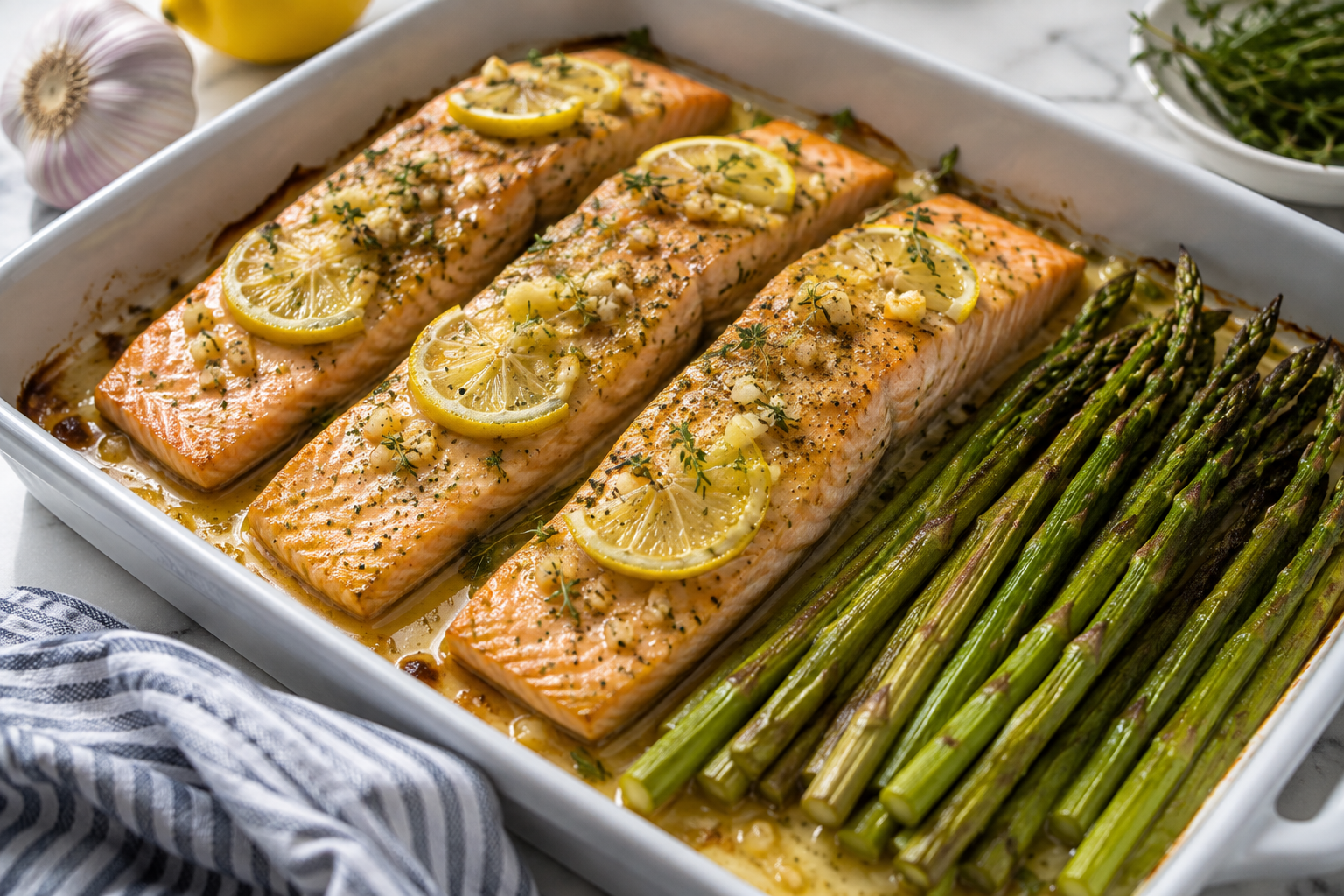
Food First Still Matters
Fish-oil supplements can help increase EPA and DHA intake.
But eating fish provides more than omega-3 fatty acids.
Fish can also supply:
- High-quality protein
- Selenium
- Vitamin B12
- Vitamin D in some species
- Other nutrients
ConsumerLab's 2026 overview also notes that eating fish at least twice weekly may provide advantages over fish-oil supplementation for several broader health outcomes. :contentReference[oaicite:4]{index=4}
That is why WonderfulLife favors a food-first approach whenever practical.
Supplements fill gaps.
They do not replace nutritious food.
Who Might Consider BiOmega?
BiOmega may be useful for adults who:
- Rarely eat fatty fish
- Want a convenient source of EPA and DHA
- Prefer a concentrated two-capsule product
- Value independent NSF and ConsumerLab quality verification
But not everyone needs fish-oil supplementation.
Needs vary according to diet, health status, medications, pregnancy, cardiovascular history, and other factors.
How to Take BiOmega
NSF currently lists BiOmega with a manufacturer-recommended daily serving of two gelcaps, and current U.S. product directions state that adults take two capsules daily, preferably with food. :contentReference[oaicite:5]{index=5}
Because product directions can vary by country, WonderfulLife recommends following the current Canadian BiOmega label for Canadian users.
Taking omega-3 supplements with food—particularly a meal containing some dietary fat—can also support absorption.
More Omega-3 Is Not Always Better
High-dose omega-3 supplementation is not automatically healthier.
Higher supplemental doses have been associated with considerations including:
- Gastrointestinal effects
- Medication interactions
- Bleeding considerations in certain circumstances
- Increased atrial-fibrillation risk in some high-dose cardiovascular trials
People using high doses should do so for a specific reason and with appropriate professional guidance.
The WonderfulLife Assessment
Strengths
- Concentrated EPA and DHA content
- Provides vitamin D3
- Two-capsule daily serving
- Current NSF/ANSI 173 listing
- Current ConsumerLab Quality Certification approval
- Mixed tocopherols for oxidation protection
- Established USANA manufacturing infrastructure
Important Limitations
BiOmega should not be presented as proven to:
- Prevent cardiovascular disease
- Improve cognition in every healthy adult
- Rebuild joint cartilage
- Eliminate inflammation
- Reverse cellular aging
- Replace regular fish consumption
Its strongest role is simpler:
providing a concentrated and independently quality-verified source of EPA and DHA.
The WonderfulLife Bottom Line
USANA® BiOmega™ is a credible concentrated omega-3 supplement with a meaningful amount of EPA and DHA and unusually strong independent quality evidence.
Its greatest strengths are not dramatic health promises.
They are measurable:
EPA and DHA concentration. Independent NSF listing. ConsumerLab approval. Attention to oxidation and formulation quality.
Omega-3 fatty acids are important nutrients, but they work within a much larger health picture.
Start with:
Fish and nutritious whole foods when possible. Regular physical activity. Healthy blood pressure and lipids. Good sleep. Appropriate medical care.
For someone who does not regularly consume fatty fish and wants a quality-tested EPA/DHA supplement, BiOmega is a strong option worth considering.
The product deserves credit for what can be verified without asking it to do more than the science supports.
Scientific References & Sources
- Papanikolaou, Y., et al. (2014). U.S. adults are not meeting recommended levels for fish and omega-3 fatty acid intake: Results of an analysis using observational data from NHANES 2003–2008. Nutrition Journal, 13, 31.
- Mozaffarian, D., & Wu, J. H. Y. (2011). Omega-3 fatty acids and cardiovascular disease: Effects on risk factors, molecular pathways, and clinical events. Journal of the American College of Cardiology, 58(20), 2047–2067.
- Dyall, S. C. (2015). Long-chain omega-3 fatty acids and the brain: A review of the independent and shared effects of EPA, DPA and DHA. Frontiers in Aging Neuroscience, 7, 52.
- Dyerberg, J., et al. (2010). Bioavailability of marine n-3 fatty acid formulations. Prostaglandins, Leukotrienes and Essential Fatty Acids, 83(3), 137–141.
- Calder, P. C. (2017). Omega-3 fatty acids and inflammatory processes: From molecules to man. Biochemical Society Transactions, 45(5), 1105–1115.
- Holick, M. F. (2007). Vitamin D deficiency. New England Journal of Medicine, 357(3), 266–281.
- NSF International. Current NSF/ANSI 173 dietary supplement listing for USANA BiOmega.
- ConsumerLab.com. 2026 Fish Oil/Omega-3 Fatty Acid Supplements Quality Certification results.
Medical & Nutritional Disclaimer
The information provided on WonderfulLife.ca is for educational, informational, and general wellness purposes only and is not intended as medical advice, diagnosis, or treatment.
Omega-3 supplementation needs vary considerably between individuals.
People taking anticoagulant or antiplatelet medications, those with bleeding disorders, cardiovascular disease, heart-rhythm disorders, upcoming surgery, or other medical conditions should seek professional guidance before using higher-dose omega-3 supplements.
Pregnant or breastfeeding individuals should follow appropriate professional guidance regarding fish consumption, mercury exposure, and omega-3 supplementation.
Do not use BiOmega or another dietary supplement as a substitute for prescribed cardiovascular, neurological, or inflammatory-disease treatment.
Always follow the current product label for the formulation sold in your country.
Disclosure
WonderfulLife.ca provides health and nutrition education and may feature products associated with USANA Health Sciences.
Product reviews are intended to distinguish verified product characteristics from broader marketing claims and should be considered alongside individual nutritional needs and professional guidance.
USANA® and BiOmega™ are trademarks of USANA Health Sciences, Inc.
Credits
Author: WonderfulLife Editorial Team Published For: WonderfulLife.ca







WonderfulLife Community
Join the Conversation