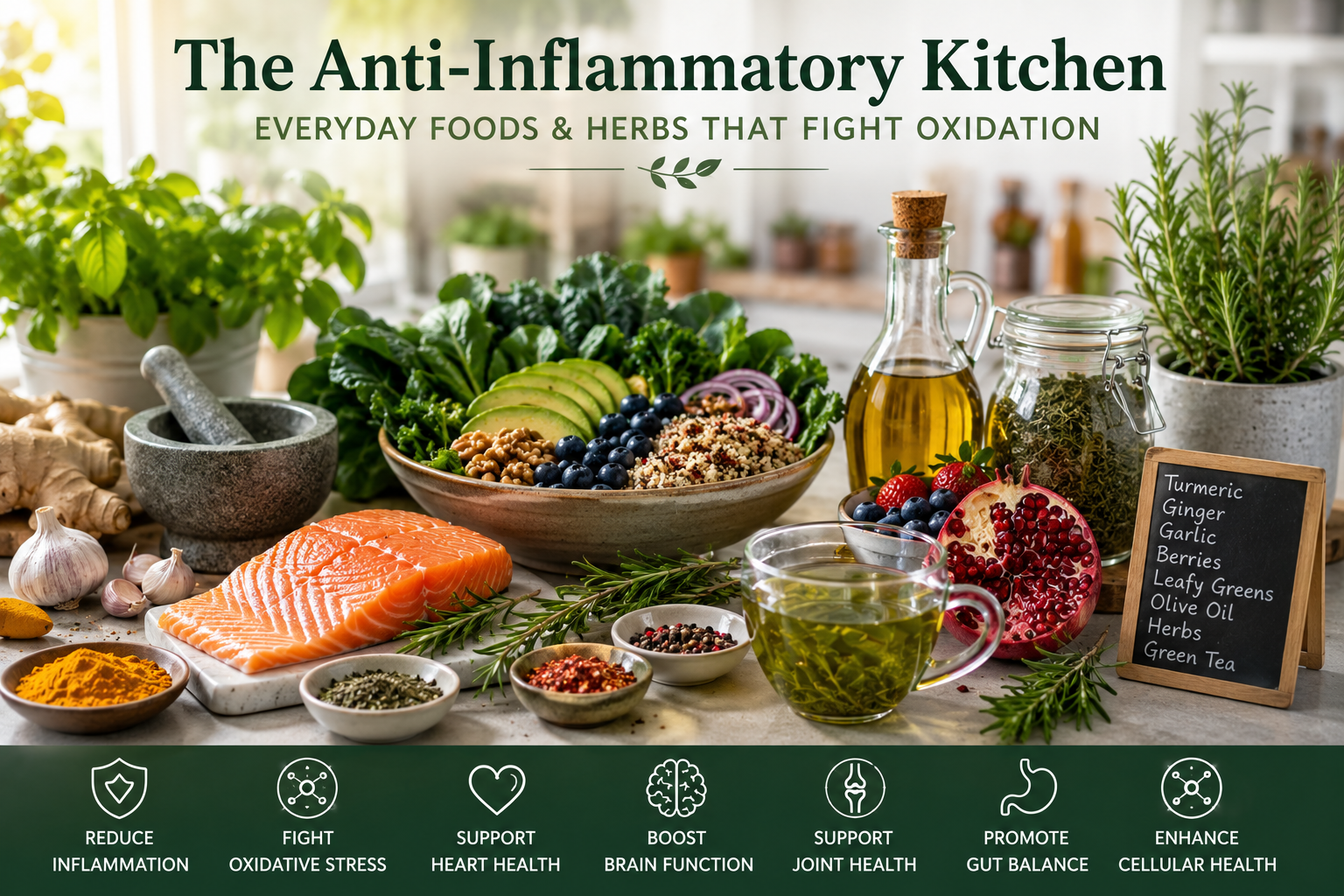
The Anti-Inflammatory Kitchen: Everyday Foods That Support Your Body's Natural Defenses
Inflammation is not inherently harmful.
In fact, it is one of the body's most important protective responses.
When you cut your finger, strain a muscle, or encounter an infection, the immune system activates a carefully coordinated inflammatory response designed to defend damaged tissue and begin the repair process.
This is acute inflammation.
It is temporary, purposeful, and essential.
The concern arises when inflammatory signaling remains elevated over longer periods.
This persistent state—often described as chronic low-grade inflammation—is associated with aging and numerous metabolic and cardiovascular conditions.
The encouraging part is that one of the most useful tools for supporting a healthy inflammatory balance is already available to us every day:
Food.
Inflammation and Oxidative Stress: Related, But Different
Inflammation and oxidative stress are often discussed as though they are the same process.
They aren't.
Inflammation involves immune cells, signaling molecules, and biological pathways activated in response to injury, infection, or other physiological challenges.
Oxidative stress occurs when the production of reactive molecules exceeds the body's ability to adequately regulate them.
These reactive molecules include reactive oxygen species (ROS).
ROS are frequently called free radicals, although technically not every ROS molecule is a free radical.
And ROS are not automatically harmful.
At normal levels, they participate in:
- Cellular signaling
- Immune defense
- Exercise adaptation
- Regulation of gene expression
Problems can arise when excessive ROS production overwhelms antioxidant and repair systems.
Inflammation can increase oxidative stress, while oxidative stress can stimulate inflammatory pathways.
The two processes can therefore reinforce one another.
Your Body Already Has Powerful Antioxidant Defenses
Another common misconception is that antioxidants from food simply enter the bloodstream and "neutralize" every free radical they encounter.
Human biology is much more sophisticated.
Your cells possess their own antioxidant defense systems, including enzymes such as:
- Superoxide dismutase
- Catalase
- Glutathione peroxidase
Food provides essential nutrients and thousands of plant compounds that interact with these systems.
Many phytochemicals appear to influence cellular signaling pathways rather than acting only as direct antioxidant scavengers.
That is one reason eating a diverse plant-rich diet is more meaningful than chasing a single high-dose "antioxidant" ingredient.
Four Powerful Food Groups for an Anti-Inflammatory Kitchen
You don't need an extreme detox, complicated meal plan, or pantry filled with exotic supplements.
Start with ordinary whole foods.
- Berries and Colorful Produce
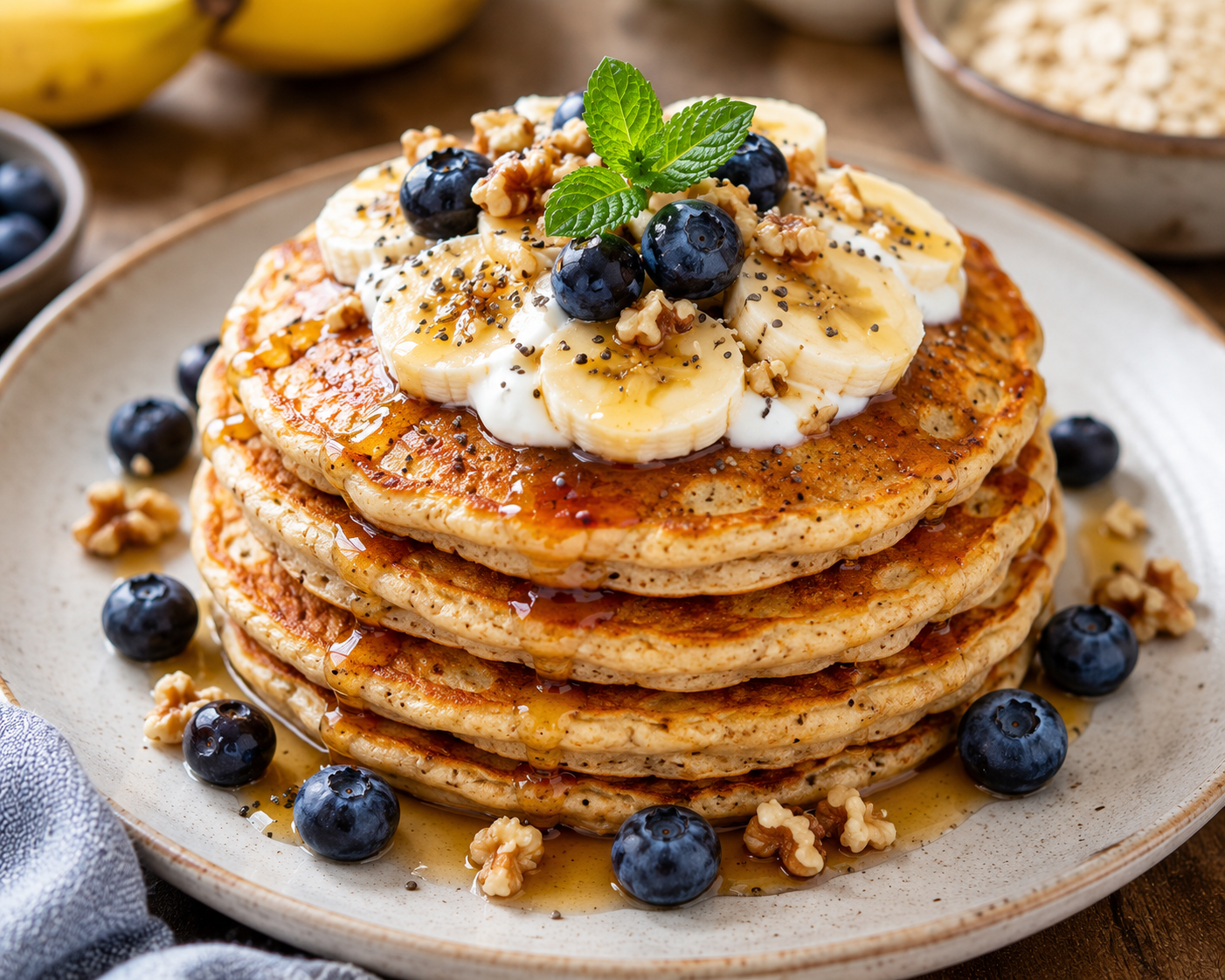
Blueberries, blackberries, raspberries, strawberries, cherries, red cabbage, purple grapes, and other deeply colored plants contain compounds known as polyphenols.
Among them are anthocyanins, pigments responsible for many of the red, purple, and blue colors found in plants.
Polyphenol-rich foods have been studied for their potential influence on:
- Oxidative balance
- Endothelial function
- Cellular signaling
- Inflammatory pathways
- Cardiometabolic health
Rather than focusing on one "superfood," aim for color diversity.
Try This
Add several colors to your plate each day:
Blue/Purple: blueberries, blackberries, purple cabbage
Red: tomatoes, strawberries, cherries
Orange: carrots, squash, oranges
Green: spinach, broccoli, kale
Different colors often represent different families of phytochemicals.
Think variety, not perfection.
- Herbs and Spices
Herbs and spices provide flavor while contributing an impressive range of plant compounds.
Two of the most studied examples are turmeric and ginger.
Turmeric
Turmeric contains a family of compounds called curcuminoids, including curcumin.
Laboratory and human research has investigated curcumin's interaction with numerous biological pathways involved in inflammatory signaling.
One frequently discussed pathway is NF-κB, an important regulator of immune and inflammatory activity.
However, there is an important limitation:
Curcumin has relatively poor natural bioavailability.
This is why supplement formulations sometimes use specialized delivery systems.
What About Black Pepper?
Black pepper contains piperine, which can substantially increase curcumin bioavailability under certain experimental conditions.
The frequently repeated claim that black pepper increases curcumin absorption by "2,000%" comes from specific pharmacokinetic research using particular doses of isolated curcumin and piperine.
It should not be interpreted to mean that sprinkling pepper onto turmeric automatically makes dietary turmeric 20 times more effective.
Still, turmeric and black pepper make an excellent culinary combination.
Ginger
Fresh ginger contains compounds including gingerols and related phytochemicals.
Research has explored ginger for digestive comfort, nausea, inflammatory signaling, and exercise-related muscle soreness.
You don't need concentrated extracts to enjoy ginger.
Try adding fresh ginger to:
- Stir-fries
- Soups
- Tea
- Smoothies
- Curries
- Grain bowls
- Cruciferous Vegetables
Broccoli, Brussels sprouts, cabbage, cauliflower, bok choy, kale, and other cruciferous vegetables contain compounds called glucosinolates.
When these vegetables are chopped, chewed, or otherwise disrupted, plant enzymes help transform glucosinolates into several biologically active compounds.
One particularly well-studied compound is sulforaphane, which is produced from a glucosinolate called glucoraphanin.
Broccoli sprouts are especially concentrated sources of glucoraphanin.
Sulforaphane has attracted scientific interest partly because of its interaction with the Nrf2 signaling pathway.
Nrf2 helps regulate genes involved in:
- Cellular stress responses
- Detoxification enzymes
- Antioxidant defenses
This is a fascinating example of how plant compounds may influence the body's own protective biology.
But cruciferous vegetables provide much more than sulforaphane.
They also supply:
- Fiber
- Folate
- Vitamin C
- Vitamin K
- Minerals
- Numerous phytochemicals
So once again, the whole food matters.
- Healthy Dietary Fats
Dietary fat quality matters for cardiovascular and metabolic health.
Two particularly valuable sources are extra virgin olive oil and omega-3-rich seafood.
Extra Virgin Olive Oil
Extra virgin olive oil is rich in monounsaturated fatty acids and contains numerous phenolic compounds.
One of these compounds, oleocanthal, has attracted research interest because of its biological effects on inflammatory pathways.
But the health benefits of olive oil should not be attributed to one compound alone.
Extra virgin olive oil is a central component of the Mediterranean dietary pattern—one of the best-studied dietary patterns for long-term cardiovascular health.
Use it for:
- Salad dressings
- Vegetable dishes
- Marinades
- Dips
- Everyday cooking
Don't Fear Every Omega-6 Fat
It is common online to hear that omega-6 fats or "seed oils" automatically cause inflammation.
That claim oversimplifies the evidence.
Omega-6 fatty acids are essential nutrients.
Human studies do not support the idea that normal consumption of linoleic acid inherently causes systemic inflammation.
The larger concern is an overall dietary pattern dominated by highly processed foods and excess calories while lacking vegetables, fruits, whole grains, legumes, nuts, fish, and other nutrient-dense foods.
Focus on the quality of your entire diet rather than demonizing one family of fats.
Omega-3 Fatty Acids
Fatty fish provide the long-chain omega-3 fatty acids:
- EPA
- DHA
Good sources include:
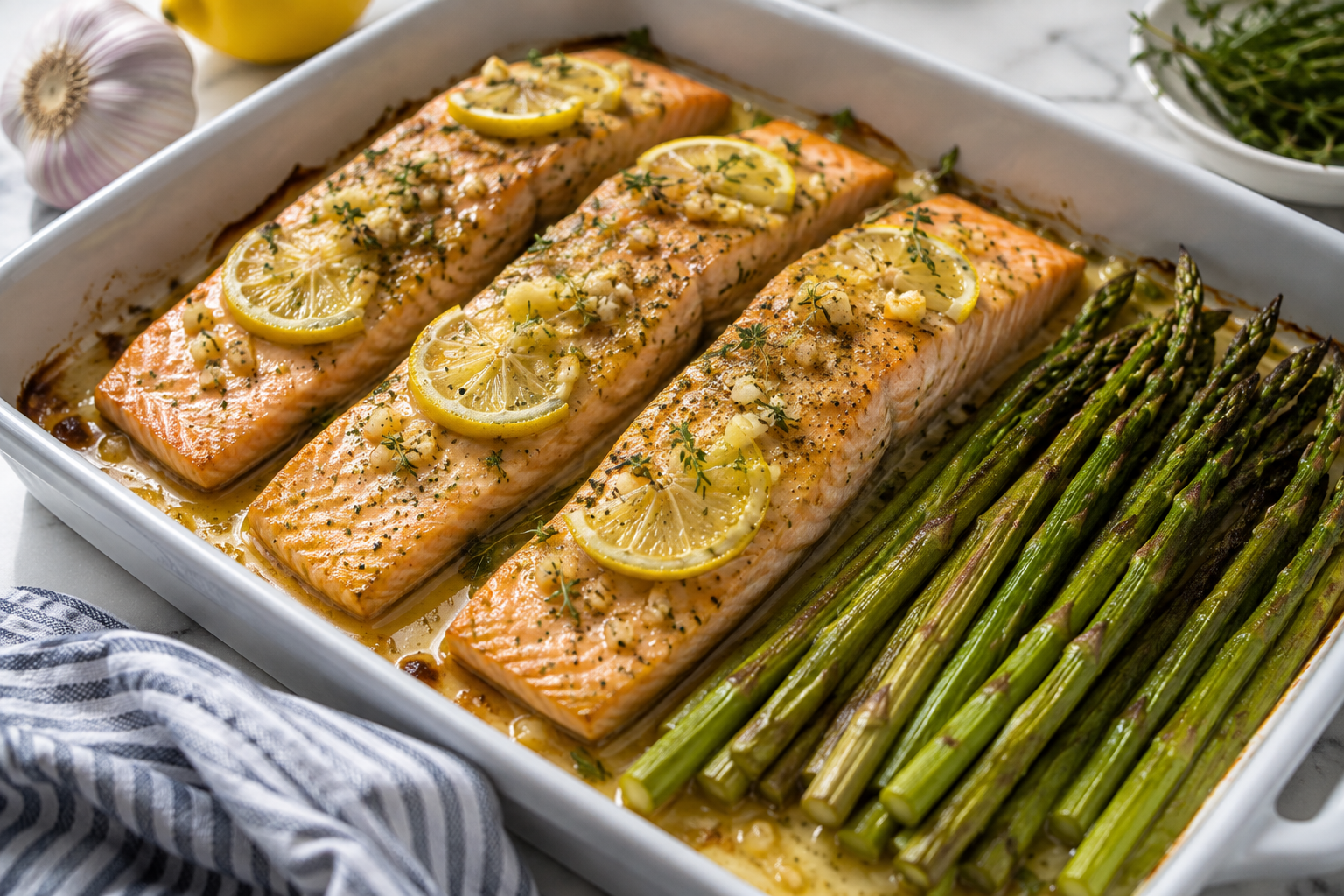
- Salmon
- Sardines
- Trout
- Mackerel
- Herring
EPA and DHA participate in cell-membrane biology and the production of signaling molecules involved in the resolution and regulation of inflammation.
For many people, regularly eating fish is an excellent way to obtain these nutrients.
Five Easy Ways to Build an Anti-Inflammatory Plate
The most effective nutritional strategy is one you can maintain.
- Make Half the Plate Plants
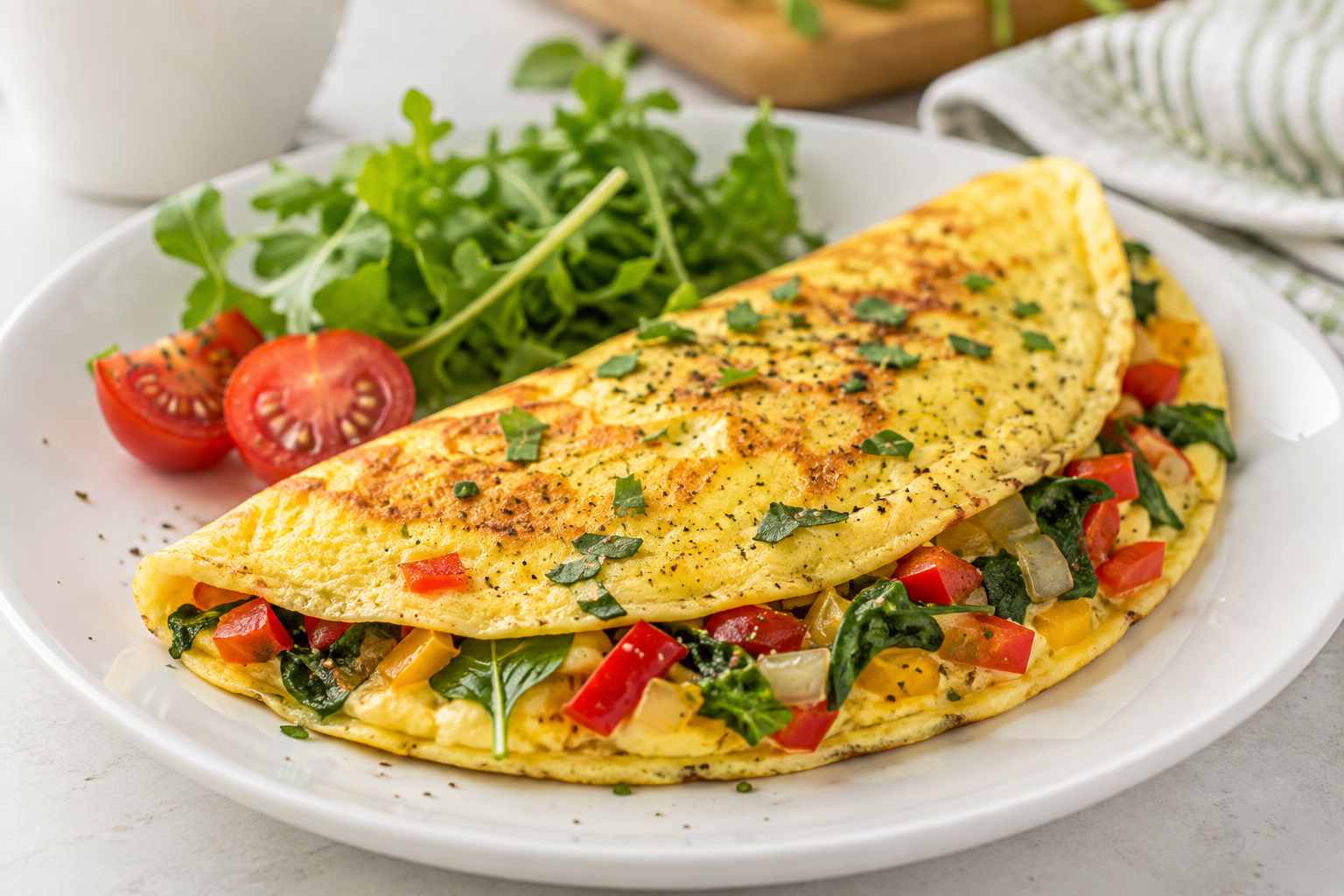
Fill approximately half your lunch or dinner plate with vegetables or other plant foods.
Mix colors whenever possible.
- Use Extra Virgin Olive Oil
Replace some solid fats and heavily processed sauces with extra virgin olive oil.
- Eat Fish Regularly
Include fatty fish such as salmon, sardines, trout, or mackerel when appropriate for your diet.
- Add Herbs Instead of Just Salt
Experiment with:
- Rosemary
- Oregano
- Basil
- Parsley
- Thyme
- Garlic
- Ginger
- Turmeric
Flavor and nutrition can work together.
- Eat More Fiber-Rich Plants
Include:
- Beans
- Lentils
- Oats
- Barley
- Nuts
- Seeds
- Vegetables
- Fruits
Fiber supports the gut microbiome, whose metabolites interact extensively with immune and metabolic function.
What About Cooking Temperature?
Cooking creates complex chemical changes in food.
Very high-temperature methods—particularly repeated deep frying, heavy charring, or burning—can produce compounds we generally want to minimize.
But that doesn't mean healthy food must always be steamed or poached.
Useful everyday methods include:
- Roasting
- Baking
- Steaming
- Sautéing
- Grilling without excessive charring
- Braising
- Poaching
The bigger issue is your overall dietary pattern.
A tray of vegetables roasted in olive oil doesn't suddenly become unhealthy because it wasn't steamed.
Do You Need Antioxidant Supplements?
Usually, food should be the starting point.
High-dose antioxidant supplementation is not automatically better than obtaining antioxidants and phytochemicals from a diverse diet.
In fact, isolated antioxidant supplements can behave differently from antioxidants consumed within whole foods.
Supplements such as:
- Coenzyme Q10
- Alpha-lipoic acid
- Vitamin C
- Curcumin
may have legitimate uses in specific circumstances.
But they are not universally necessary for "comprehensive cellular defense."
More is not always better.
Some supplements can also:
- Interact with medications
- Affect blood pressure
- Influence blood glucose
- Alter blood clotting
- Cause gastrointestinal side effects
Supplementation should address an identifiable nutritional need or evidence-based goal rather than simply adding as many antioxidants as possible.
The Mediterranean Pattern: Putting Everything Together
If you want a practical model for anti-inflammatory eating, you don't need to invent one.
Consider the Mediterranean dietary pattern.
It emphasizes:
- Vegetables
- Fruits
- Legumes
- Whole grains
- Nuts
- Seeds
- Extra virgin olive oil
- Herbs and spices
- Fish and seafood
while generally limiting heavily processed foods and excessive added sugars.
Importantly, it is a pattern, not a detox.
No single food is responsible for its benefits.
Don't Forget the Rest of Your Lifestyle
Food is important.
But inflammation is influenced by far more than diet.
Regular movement, adequate sleep, avoiding tobacco, maintaining metabolic health, managing excessive alcohol intake, and addressing chronic psychological stress all contribute to long-term health.
An anti-inflammatory lifestyle is therefore much broader than an anti-inflammatory grocery list.
The WonderfulLife Bottom Line
The most powerful anti-inflammatory kitchen isn't filled with expensive powders, exotic superfoods, or restrictive rules.
It is filled with recognizable food:
Colorful vegetables. Berries and fruit. Beans and lentils. Whole grains. Nuts and seeds. Extra virgin olive oil. Fish. Garlic. Ginger. Turmeric. Fresh herbs.
These foods do more than provide isolated antioxidants.
Together, they supply fiber, vitamins, minerals, healthy fats, and thousands of phytochemicals that interact with the body's own protective systems.
Don't try to eliminate inflammation entirely.
Your body needs it.
Instead, build a dietary pattern that supports a healthy inflammatory response and resilient cellular defenses.
That is a much more realistic—and sustainable—definition of an anti-inflammatory kitchen.
Scientific References & Sources
- Calder, P. C., et al. (2017). Health relevance of the modification of low-grade inflammation in ageing (inflammageing) and the role of nutrition. Ageing Research Reviews, 40, 95–119.
- Franceschi, C., & Campisi, J. (2014). Chronic inflammation (inflammaging) and its potential contribution to age-associated diseases. The Journals of Gerontology: Series A, 69(Suppl 1), S4–S9.
- Hewlings, S. J., & Kalman, D. S. (2017). Curcumin: A review of its effects on human health. Foods, 6(10), 92.
- Santangelo, C., et al. (2018). Polyphenols, inflammation and cardiovascular health. European Journal of Nutrition, 57(Suppl 2), 27–36.
Medical & Nutritional Disclaimer
The information provided on WonderfulLife.ca is for educational, informational, and general wellness purposes only and is not intended as medical advice, diagnosis, or treatment.
Chronic inflammation can be associated with numerous medical conditions and should not be self-diagnosed based on symptoms or information found online.
Foods and dietary patterns can support overall health but should not be used as substitutes for appropriate medical treatment.
Botanical extracts and supplements—including curcumin, CoQ10, alpha-lipoic acid, omega-3 supplements, and high-dose vitamins—can cause side effects or interact with medications.
Anyone with a medical condition, taking prescription medications, pregnant or breastfeeding, or considering significant dietary or supplement changes should consult with a physician, pharmacist, Registered Dietitian, or other qualified healthcare professional.
Never disregard professional medical advice or delay seeking care because of information you have read on this website.
Credits
Author: WonderfulLife Editorial Team Editorial Assistance: Gemini Published For: WonderfulLife.ca



WonderfulLife Community
Join the Conversation