
Feed Your Microbiome: Why Prebiotics and Plant Diversity Matter
Walk through almost any grocery store today and you will see the word probiotics on yogurt, kefir, supplements, fermented foods, and even some beverages.
Probiotics are live microorganisms that, when administered in adequate amounts, can provide a health benefit to the host.
But probiotics are only one part of the gut-health story.
Your gastrointestinal tract is home to a vast and highly diverse community of microorganisms collectively known as the gut microbiome.
These microbes interact with food components, the intestinal lining, the immune system, and one another.
Supporting that ecosystem is not simply about adding more bacteria.
It is also about giving the microbes already living in your gut the nutritional environment they need to function well.
That is where prebiotics, fiber, and plant diversity become especially important.
Think of Your Gut as an Ecosystem
A useful analogy is to think of the microbiome as a garden.
Probiotics can be compared to introducing selected microorganisms.
Prebiotics and other fermentable plant compounds are more like the nutrients and growing conditions that help certain microbial communities flourish.
But the analogy has limits.
The microbiome is not a simple collection of “good” and “bad” bacteria.
It is a complex ecological system in which microbial functions, diversity, location, diet, medications, age, genetics, and health status all matter.
The goal is not to maximize every bacterial species.
It is to support a resilient microbial community through an overall healthy lifestyle and varied diet.
What Are Prebiotics?
Prebiotics are specific substrates that are selectively utilized by host microorganisms and provide a health benefit.
Many prebiotics are forms of fermentable carbohydrate or dietary fiber, but not every type of fiber is automatically a prebiotic.
Examples of compounds commonly studied for prebiotic effects include:
- Inulin
- Fructooligosaccharides (FOS)
- Galactooligosaccharides (GOS)
- Resistant starches
- Certain other fermentable fibers
These compounds can resist digestion in the upper gastrointestinal tract and reach the large intestine, where microorganisms can ferment them.
Short-Chain Fatty Acids: What Gut Bacteria Produce From Fiber
When certain gut microorganisms ferment carbohydrates and fibers, they produce metabolites known as short-chain fatty acids, or SCFAs.
The three best-known are:
- Acetate
- Propionate
- Butyrate
These compounds are an important area of microbiome research.
Butyrate and the Gut Barrier
Butyrate is used as an energy source by many cells lining the colon.
It is also involved in signaling pathways related to intestinal barrier function and immune regulation.
This does not mean consuming a particular prebiotic instantly “repairs the gut.”
Gut-barrier biology is influenced by many factors, including:
- Diet
- Infections
- Medications
- Alcohol intake
- Smoking
- Stress
- Sleep
- Chronic disease
- Individual microbiome composition
But fermentable fiber can be one useful part of supporting normal intestinal physiology.
SCFAs and the Immune System
Short-chain fatty acids also interact with receptors and signaling pathways involved in immune function.
Researchers are studying how these microbial metabolites may influence inflammatory regulation and metabolic health.
The relationship is complex, however.
It is more accurate to say that SCFAs participate in immune and metabolic signaling than to claim that they universally “lower inflammation throughout the body.”
The Gut-Brain Axis
One of the most fascinating areas of microbiome science is the gut-brain axis.
The digestive system and central nervous system communicate through multiple pathways involving:
- The vagus nerve
- Immune signaling
- Hormones
- Microbial metabolites
- The enteric nervous system
Research increasingly suggests that gut microorganisms may influence some aspects of brain and behavioral physiology.
But this field is still developing.
It would be too strong to say that eating prebiotic foods will directly improve mood or mental health in every person.
The gut-brain axis is real.
Its clinical implications are still being worked out.
Does Microbiome Diversity Matter?
Microbial diversity is often discussed as a marker of gut health.
In general, diets rich in diverse plant foods are associated with greater microbial diversity and with metabolic patterns considered favorable in many studies.
One widely discussed finding came from the American Gut Project, a large citizen-science microbiome study.
Researchers observed that participants who reported eating more than 30 different plant foods per week tended to have greater microbial diversity than those reporting fewer than 1
This finding is interesting and useful—but it is important to interpret it correctly.
Thirty plants per week is not a medically established requirement or magic threshold.
It is a practical idea inspired by observational data.
The broader lesson is much stronger:
Eating a greater variety of plant foods may expose your microbiome to a wider range of fibers, polyphenols, and other substrates.
Why Plant Variety May Matter
Different plant foods contain different combinations of:
- Soluble fiber
- Insoluble fiber
- Resistant starch
- Polyphenols
- Oligosaccharides
- Vitamins
- Minerals
- Other phytochemicals
Different microbial populations can use these compounds in different ways.
That means dietary variety can potentially support a broader microbial ecosystem than eating the same few plant foods repeatedly.
An apple and a bowl of oats are both healthy foods, but they do not contain identical fibers or phytochemicals.
The same is true for lentils, berries, onions, nuts, herbs, and whole grains.
Variety creates nutritional complexity.
What Counts Toward Your Plant Variety?
You do not need to eat 30 different vegetables.
Plant diversity can come from many categories.
Vegetables and Fruits
Examples include:
- Onions
- Garlic
- Leeks
- Asparagus
- Leafy greens
- Broccoli
- Berries
- Apples
- Citrus fruit
- Bananas
- Tomatoes
- Peppers
Whole Grains
Examples include:
- Oats
- Barley
- Quinoa
- Brown rice
- Buckwheat
- Whole-grain wheat
- Rye
Legumes and Pulses
Examples include:
- Chickpeas
- Black beans
- Kidney beans
- Lentils
- Split peas
- Edamame
Nuts and Seeds
Examples include:
- Walnuts
- Almonds
- Pumpkin seeds
- Chia seeds
- Flaxseed
- Sunflower seeds
Herbs and Spices
Herbs and spices can also contribute plant diversity.
Examples include:
- Basil
- Parsley
- Rosemary
- Ginger
- Turmeric
- Cinnamon
- Oregano
You do not need to count every pinch obsessively.
The point is to broaden the range of plants you eat over time.
Three Easy Ways to Feed Your Gut Today
You do not need an elaborate microbiome protocol.
A few simple habits can increase plant diversity naturally.
- Cook With More Allium Vegetables
Onions, garlic, and leeks contain fermentable carbohydrates, including fructans, that can serve as substrates for certain gut microorganisms.
They are easy to add to:
- Soups
- Stir-fries
- Grain bowls
- Pasta sauces
- Omelets
- Roasted vegetables
Some people with irritable bowel syndrome or sensitivity to FODMAP carbohydrates may not tolerate large amounts, so individual response matters.
- Upgrade Breakfast
A simple breakfast can become much more microbiome-friendly with a few additions.
For example:
Oatmeal + blueberries + chia seeds + walnuts + cinnamon
or:
Plain yogurt + berries + oats + ground flaxseed
This increases fiber and plant diversity without requiring a major change in routine.
- Choose Mixed Plant Foods
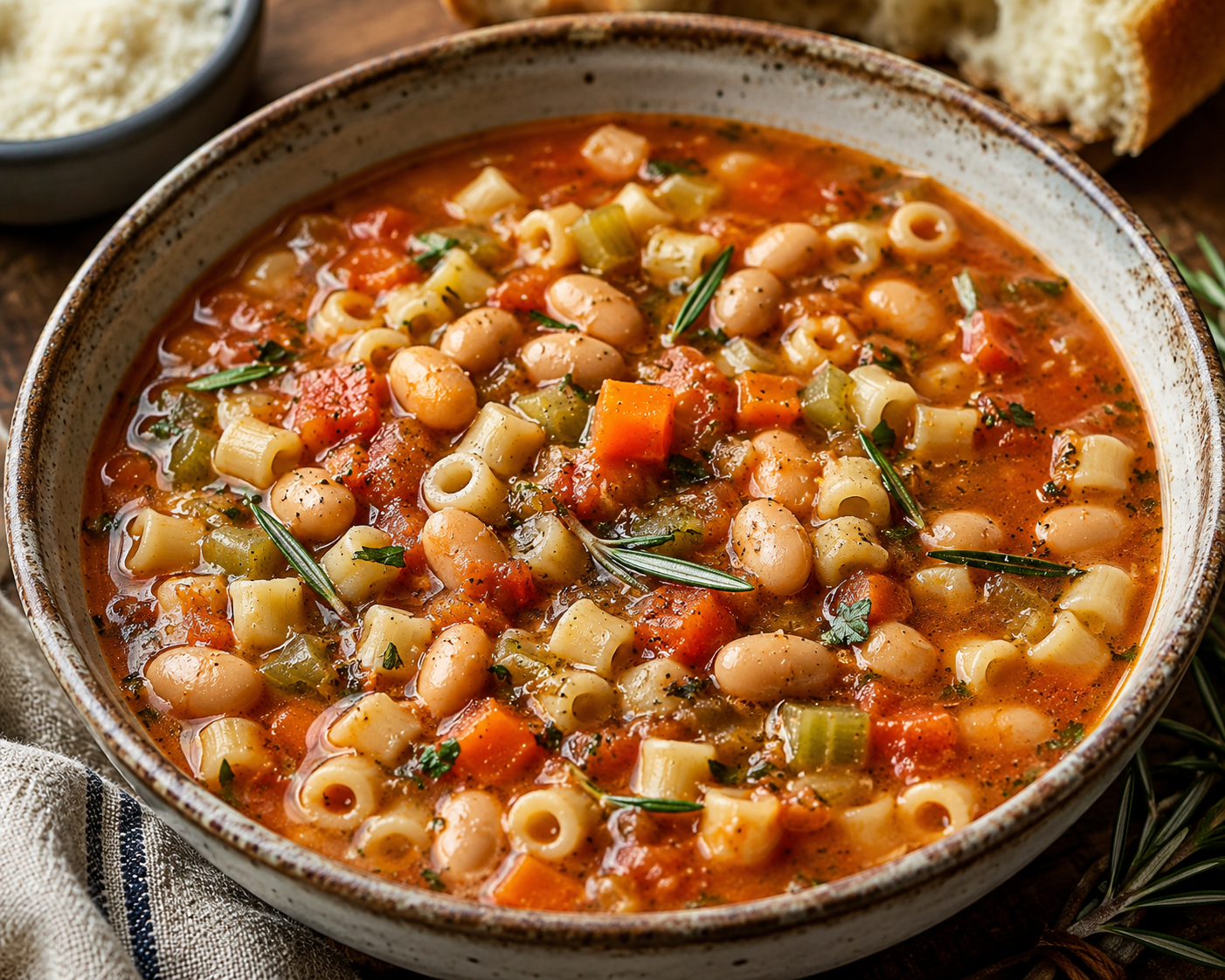
Mixed greens, bean blends, seed mixes, vegetable soups, grain salads, and mixed berries can help increase variety without making meal planning complicated.
A salad containing spinach, arugula, cabbage, carrots, cucumber, seeds, herbs, and chickpeas can provide several different plant foods in one meal.
What About Probiotic Supplements?
Probiotic supplements can be useful in some specific circumstances, but they should not be treated as interchangeable.
Different probiotic strains can have different effects.
A product containing one strain should not be assumed to produce the same outcome as another.
Benefits can depend on:
- Strain
- Dose
- Health condition
- Duration of use
- Product stability
- Individual response
For general gut health, a fiber-rich and diverse diet remains a strong foundation regardless of whether someone chooses to use a probiotic.
Prebiotics, Probiotics, and Synbiotics
These terms are often confused.
Probiotics
Live microorganisms that provide a demonstrated health benefit when consumed in adequate amounts.
Prebiotics
Substrates selectively utilized by host microorganisms that confer a health benefit.
Synbiotics
Products or combinations containing both live microorganisms and substrates intended to support microbial function.
The important point is that these categories describe different strategies.
None replaces the fundamentals of a nutritious diet.
The WonderfulLife Bottom Line
Gut health is not about chasing one “perfect” bacterial strain.
And it is not about buying the most expensive probiotic on the shelf.
A healthy microbiome is shaped by many factors, but one of the most practical things you can control is what you feed it.
Focus on:
More fiber. More plant variety. More minimally processed foods. More legumes, whole grains, nuts, seeds, fruits, and vegetables. Less obsession with perfection.
You do not need to hit exactly 30 plants every week.
But treating plant diversity as a playful goal can be a useful way to broaden your diet.
Probiotics may introduce selected microorganisms.
Prebiotics help nourish certain microbes already living in your digestive system.
And a diverse plant-rich diet helps create the nutritional environment in which the microbiome can do what it does best.
Scientific References & Sources
- Gibson, G. R., et al. (2017). Expert consensus document: The International Scientific Association for Probiotics and Prebiotics consensus statement on the definition and scope of prebiotics. Nature Reviews Gastroenterology & Hepatology, 14(8), 491–502.
- Markowiak, P., & Śliżewska, K. (2017). Effects of probiotics, prebiotics, and synbiotics on human health. Nutrients, 9(9), 1021.
- Cryan, J. F., et al. (2019). The microbiota-gut-brain axis. Physiological Reviews, 99(4), 1877–2013.
4. McDonald, D., et al. (2018). American Gut: An open platform for citizen science microbiome research. *m
Systems*, 3(3), e00031-18.
- Slavin, J. (2013). Fiber and prebiotics: Mechanisms and health benefits. Nutrients, 5(4), 1417–1435.
Medical & Nutritional Disclaimer
The information provided on WonderfulLife.ca is for educational, informational, and general wellness purposes only and is not intended as medical advice, diagnosis, or treatment.
Digestive symptoms and tolerance to fiber, prebiotics, fermented foods, and probiotics vary between individuals.
People with irritable bowel syndrome, inflammatory bowel disease, small intestinal bacterial overgrowth, immune compromise, or other gastrointestinal or medical conditions may require individualized guidance.
Always consult with a physician, Registered Dietitian, or other qualified healthcare professional before making significant dietary changes or beginning a probiotic or prebiotic supplement.
Never disregard professional medical advice or delay seeking care because of information you have read on this website.
Credits
Author: WonderfulLife Editorial Team Editorial Assistance: Gemini Published For: WonderfulLife.ca











WonderfulLife Community
Join the Conversation